MS Extends Windows 10 Support Until October 2027
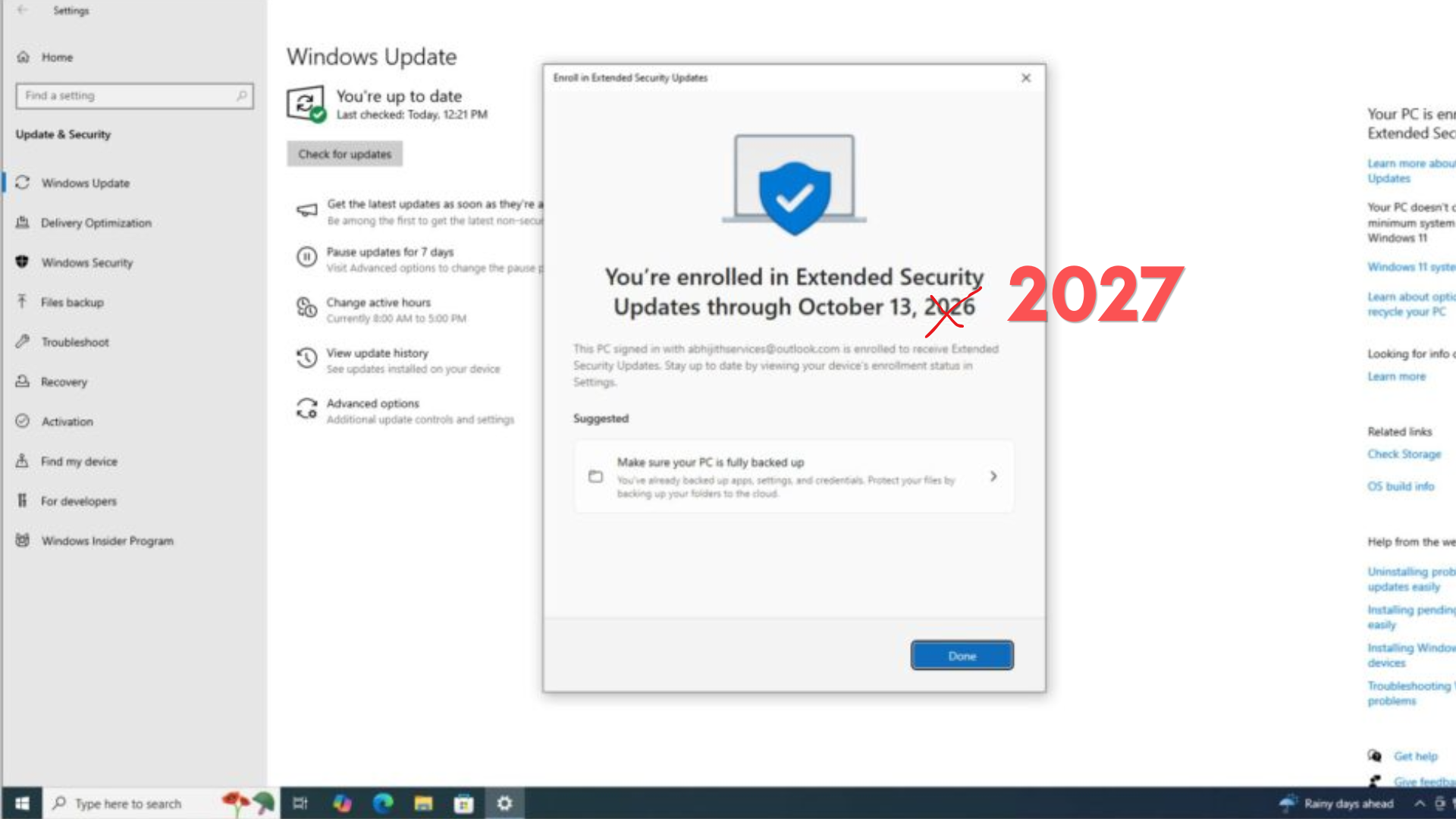
In a surprising decision, MS has confirmed an extension of Windows 10 support until October 12, 2027, pushing back the original cutoff date of October 2026 by an entire year. This announcement provides relief to home users who had been planning for the earlier deadline.
According to reports from Windows Latest, MS has extended both the enrollment deadline and the coverage period for the Extended Security Updates (ESU) program. This means that users who have not yet enrolled still have time to do so, while those already enrolled will automatically have their coverage extended without any additional action required.
MS clarified in a support document, “Windows 10 support has ended. You can enroll in ESU any time until the program ends on October 12, 2027. If you’re already enrolled, your coverage will automatically continue through that date—no action needed.”
The company also confirmed to Windows Latest that the revised deadline is an intentional change designed to ease the transition for users moving to Windows 11 PCs. “This extension provides customers with more time to transition to a new Windows 11 PC while continuing to receive critical security updates,” MS stated.
Additional Security Updates for Millions of Windows 10 PCs
This extension is significant for the hundreds of millions of devices still running Windows 10, ensuring they receive another year of critical monthly security patches. As users face challenges like the increasing hardware demands of Windows 11, the availability of a more resource-efficient alternative like Windows 10 remains important.
Recent reports even highlight MS’s budget Surface laptops shipping with just 8GB of RAM, a configuration deemed more suitable for Windows 10 than its successor. This reinforces the relevance of the extended Windows 10 support period.
Key Details About the Windows 10 ESU Program
Previously, the consumer ESU program only allowed for a one-year extension, with home users of Windows 10 version 22H2 receiving updates through October 2026. Businesses with volume licensing had the option to pay escalating prices for up to three years of extended updates, but home users were limited to the 2026 cutoff.
Now, MS’s support page shows that ESU coverage extends through October 12, 2027. Users already enrolled will have their coverage automatically extended, while new enrollment remains free for those syncing their PC settings with a MS account. Other enrollment options include redeeming 1,000 MS Rewards points or paying a one-time fee of $30 USD, which covers up to 10 devices.
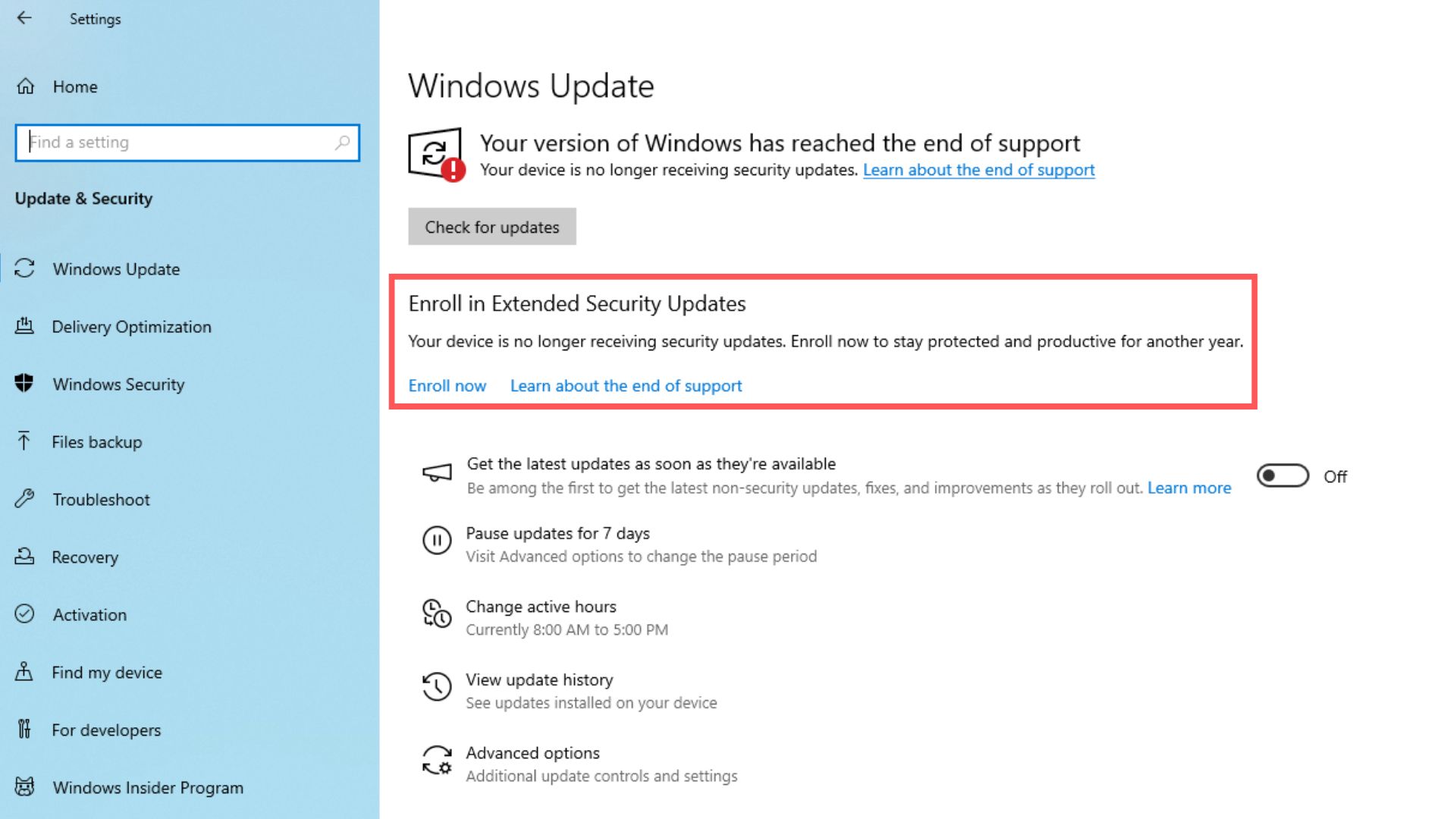
Enrollment Details
To enroll, navigate to Settings > Update and Security > Windows Update and select Enroll now. Devices already backed up via a MS account qualify for free ESU enrollment. Those without a backup can redeem Rewards points or pay the one-time fee. Be aware that devices joined to a work domain or managed by Mobile Device Management (MDM) are not eligible for the consumer ESU program.
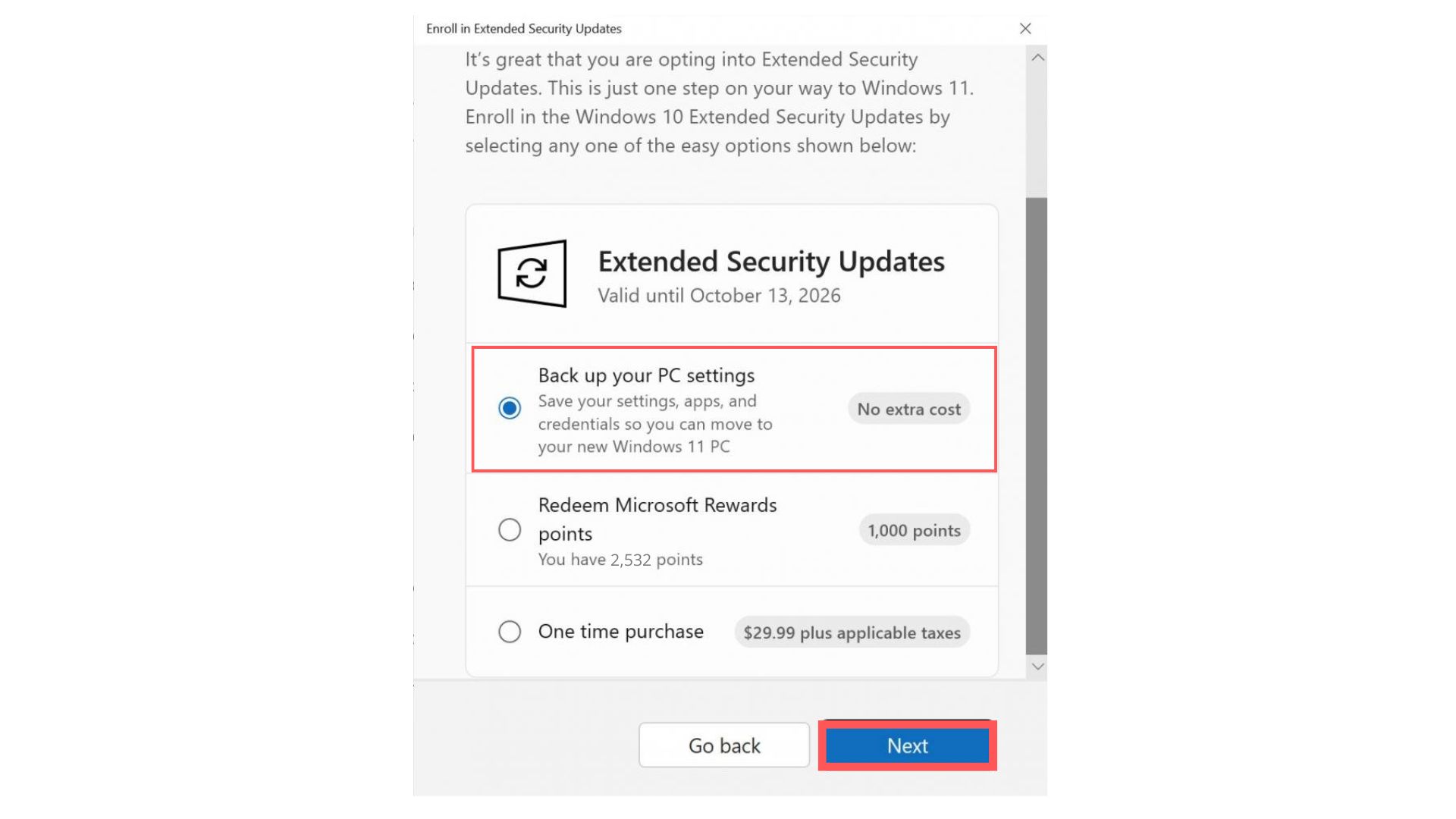
MS reiterates that enrolling as soon as possible is advisable, as devices not enrolled in ESU are more vulnerable to security threats like viruses and malware.
Benefits of Enrollment: Secure Boot and Monthly Updates
A critical advantage of ESU enrollment lies in continued updates to Secure Boot certificates. Most Windows devices rely on certificates issued in 2011, which are now expiring. MS has been pushing updated 2023 certificates as part of its monthly updates. Devices not enrolled in ESU risk startup validation issues due to outdated certificates.
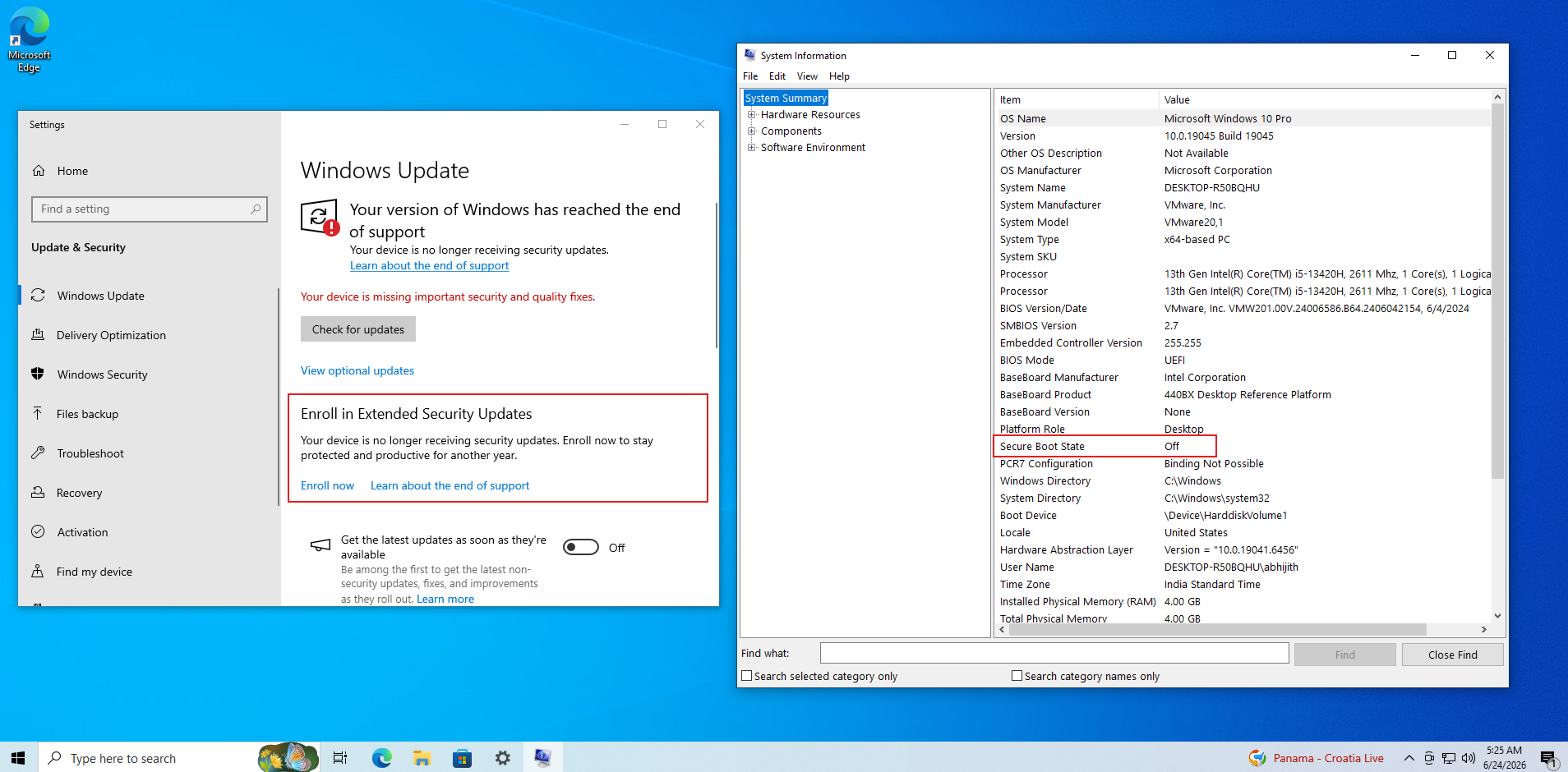
For example, the Windows 10 KB5087544 update released in May included Secure Boot updates that were unavailable for non-ESU devices.
MS’s Commitment to Monthly Security Updates
Since the original October 2025 support cutoff, MS has consistently delivered monthly security updates for ESU-enrolled devices, even as Windows 11 adoption has been slow in certain regions like Germany. This demonstrates MS’s commitment to maintaining support for users who are not yet ready to transition to Windows 11.
The Future of Windows: 2026 and Beyond
Windows 11 continues to evolve, with 2026 introducing features such as a movable taskbar, indefinite update pause options, and a Low Latency CPU profile for faster app launches. Despite these advancements, MS has emphasized that the transition timeline for users will be dictated by individual needs, not corporate deadlines.
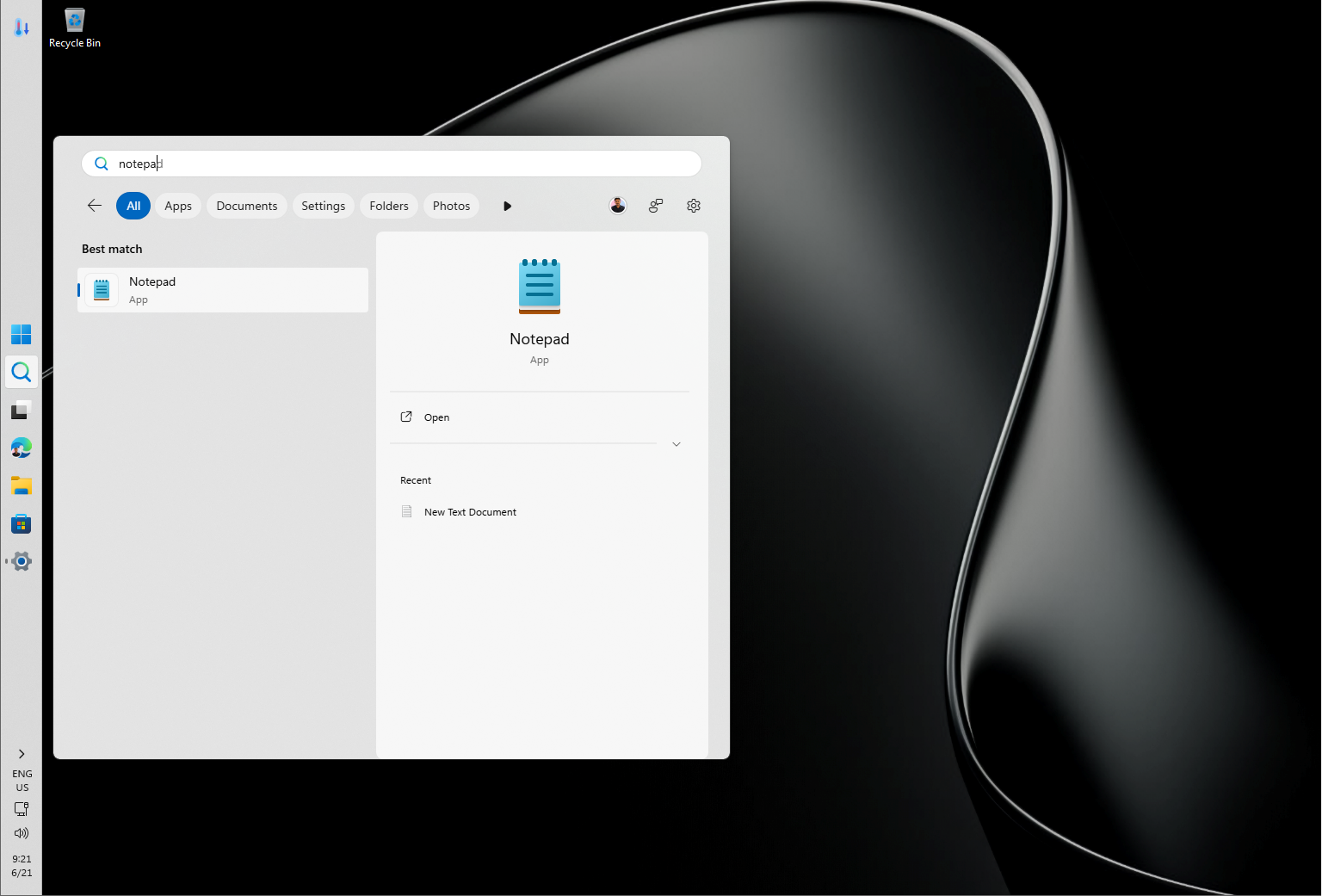
The extended support for Windows 10 through October 2027 ensures that users can upgrade on their own terms. To secure your device, enroll in ESU today by heading to Settings > Update and Security > Windows Update and clicking Enroll now.
Update: This article has been updated to include MS’s official statement on the Windows 10 ESU extension.
Windows Latest encourages readers to support independent reporting by making us your preferred source on Google Discover and Google Search.