Windows 10: A Legacy That Refuses to Fade
Windows 11 was launched in 2021, and five years later, MS seems to have acknowledged the enduring popularity of Windows 10. Dedicated Windows 10 users remain loyal, not viewing it as a "sinking ship" even as extended support approaches its end in 2027.
This observation aligns with data from OEMs, IT management firms like Lansweeper, and insights from MS's earnings calls. Although Windows is no longer the revenue giant it once was for MS, it remains a critical platform for selling enterprise solutions like MS 365 and Copilot. This reliance also explains MS's decision to refresh Windows 11 in 2026—ensuring a stable operating system is vital for enterprise clients.
The debate between Windows 11 and Windows 10 has persisted since 2021. However, MS has remained tight-lipped about the exact adoption rates of Windows 11, leaving analysts reliant on third-party metrics like StatCounter to assess market trends. Still, these figures are not always dependable for tracking operating system version shares. Despite the lack of exact statistics, independent analyses suggest MS is struggling to phase out Windows 10.
IT Management Insights: Lansweeper Reports Windows 10's Resilience
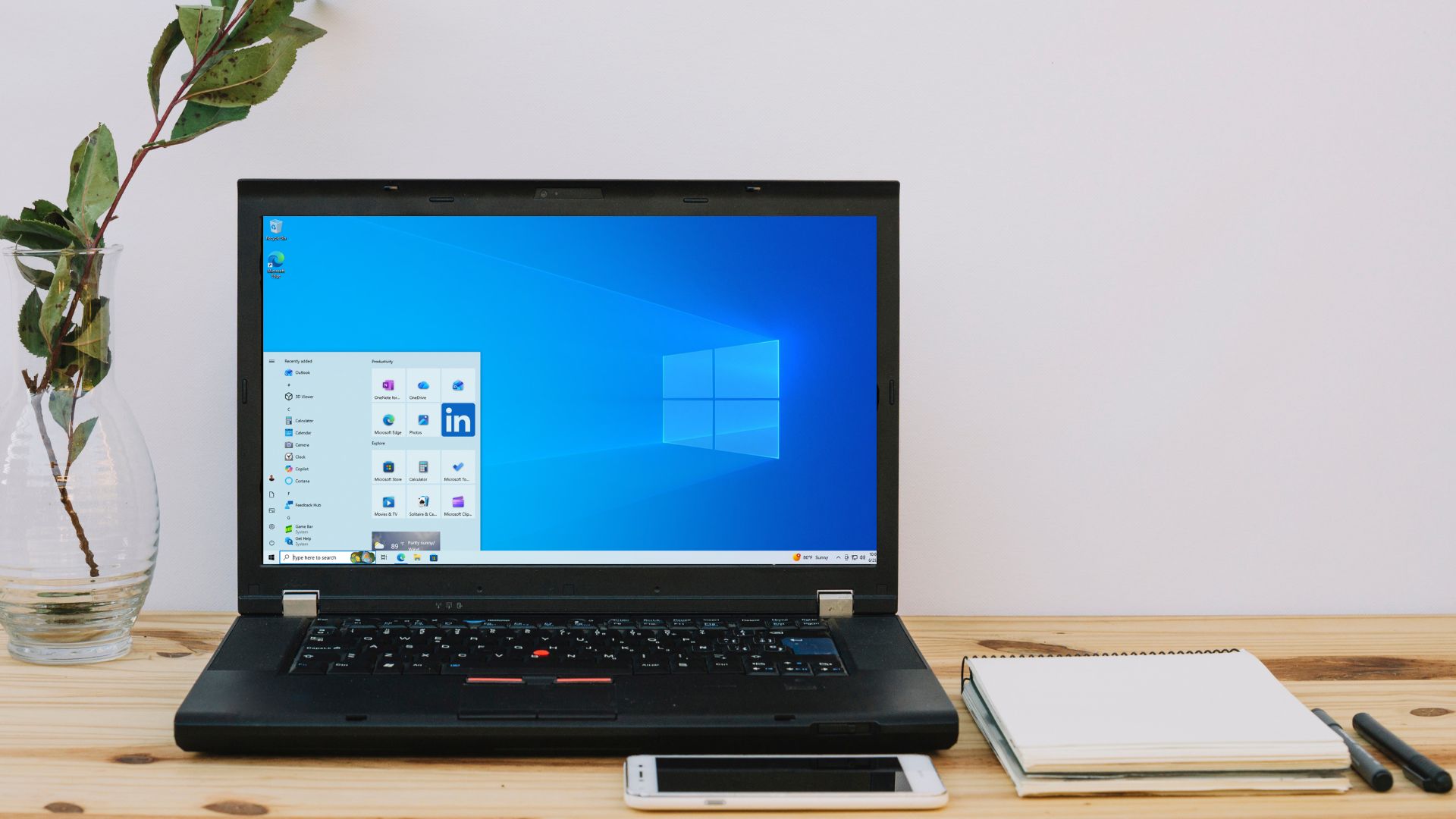
Lansweeper, an asset management service, reports that Windows 10 continues to hold a significant 17% market share within the enterprise ecosystem. This equates to one in six enterprise PCs still running Windows 10. Despite enterprises having the ability to replace hardware in bulk, many have resisted moving to Windows 11.
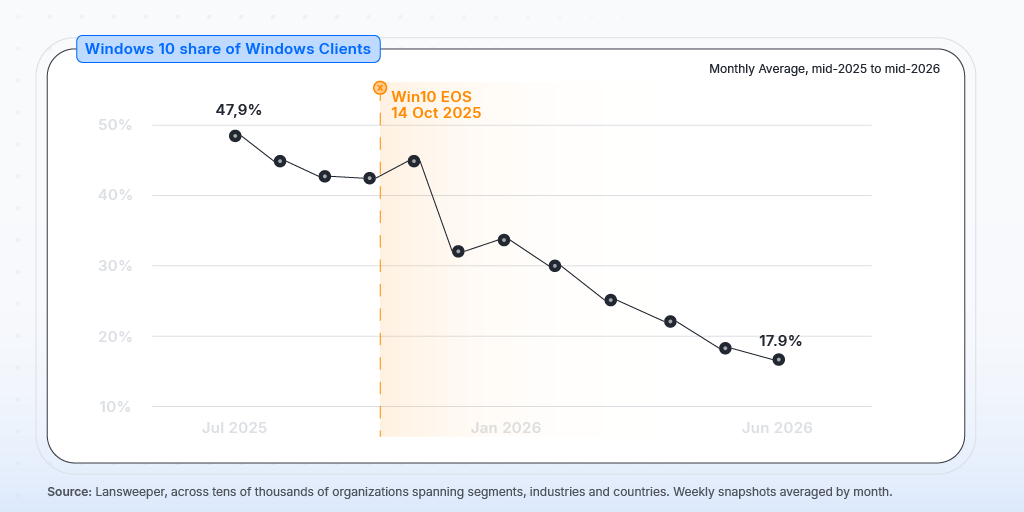
Windows 10's market share has been shrinking, particularly as its end-of-support date draws closer. For example, in early 2025, about 50% of PCs were running Windows 10. By October 2025, this figure had dropped to around 40%, and as of 2026, it stands at roughly 17%.
Among the remaining Windows 10 systems, a large portion is concentrated in sectors like healthcare, pharmaceuticals, and retail. These devices are increasingly vulnerable, with Windows 10 having a 2.9× higher vulnerability gap compared to Windows 11. Despite these risks, neither MS nor OEMs anticipate a rapid decline in Windows 10's market share.
Lansweeper notes, “Windows 10 still runs on 16.9% of Windows clients. The easy migrations are done; what remains are devices that either cannot or will not be upgraded.”
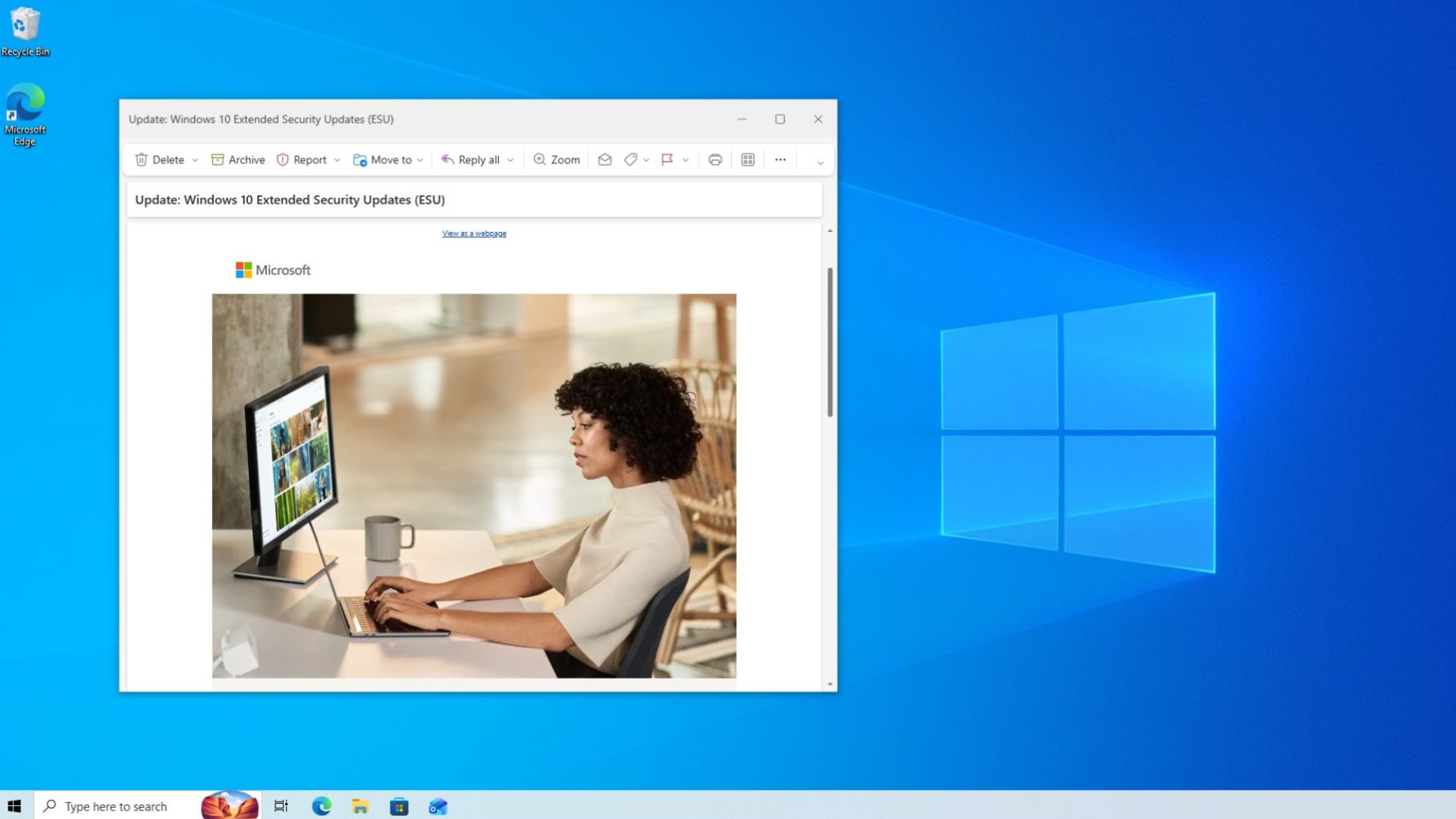
Of the 17% of PCs running Windows 10, about 14% receive extended security updates (ESU). This leaves approximately 2% of systems running without any updates, further increasing their vulnerability. Lansweeper warns, “A Windows 10 device carries an average of 1,903 active CVEs, compared to 652 on Windows 11. This 2.9× gap continues to grow with each Patch Tuesday.”
HP Highlights Windows 10’s Persistence
HP’s financial reports have also highlighted the ongoing prevalence of Windows 10. In May 2026, HP noted that about 30% of its installed base still operates on Windows 10, describing these users as "hardcore or stubborn customers" resistant to change.
“We saw solid growth in both EMEA and APJ this quarter, partly driven by expected tailwinds from Windows 11. However, we estimate that 30% of our installed base remains on Windows 10,” said Karen L. Parkhill, HP’s Executive Vice President and CFO, during an investor call.
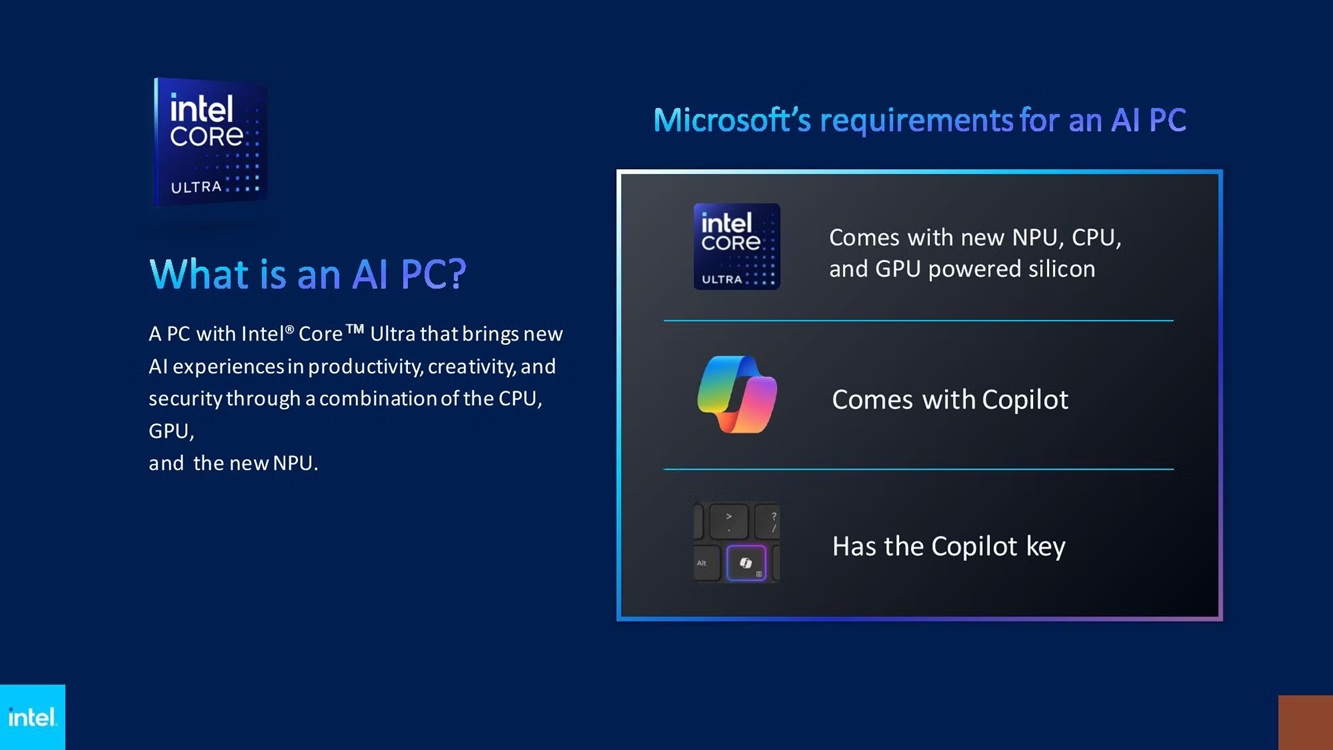
While Windows 11 has boosted PC sales in regions like Europe and Asia, convincing users to fully transition from Windows 10 remains a challenge. HP attributes Windows 11’s growth to the AI PC transition, reporting “double-digit growth” across both consumer and commercial segments.
HP remains optimistic about future transitions, viewing the 30% of Windows 10 systems as an opportunity. “Windows 11’s growth will continue to be fueled by this installed base waiting to be refreshed,” stated Ketan Patel, President of HP’s Personal Systems business.
MS’s Perspective on Windows 10 Market Share
MS has disclosed that Windows is running on 1.6 billion active PCs globally but has not provided a breakdown of the distribution between Windows 10 and Windows 11. However, quarterly reports offer indirect clues. For instance, MS reported a 7% decline in Windows OEM and Devices revenue and a 5% drop in Windows OEM revenue. These declines partially reflect the waning boost from Windows 10’s end-of-support cycle.
“Recent Windows 11 growth was primarily driven by Windows 10 reaching end of support,” MS stated during its earnings call. However, with many users opting to remain on Windows 10 and AI PCs not yet seeing widespread adoption, this growth driver is losing its momentum.
The Future: Windows 10’s Stubborn Legacy
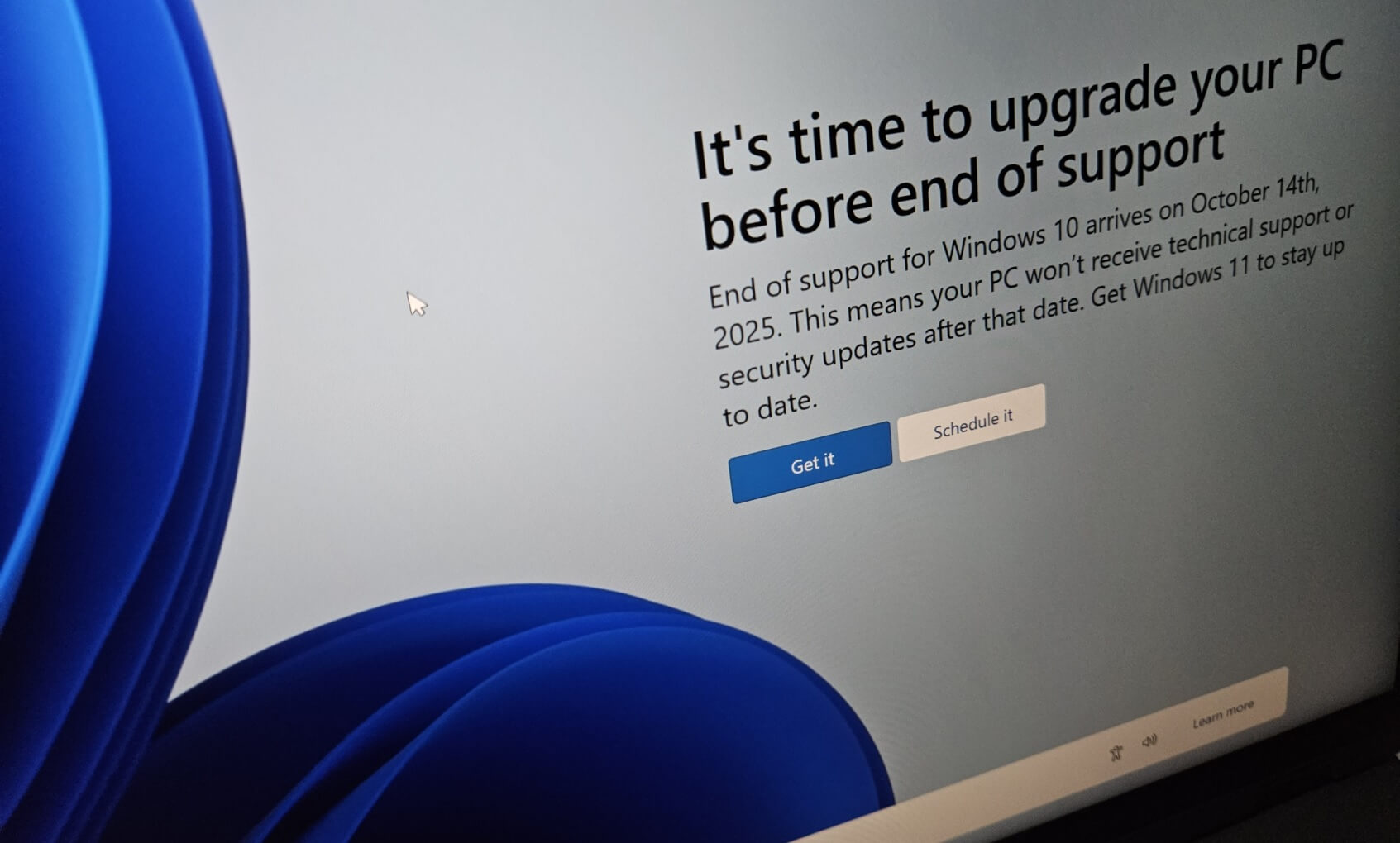
Five years after Windows 11’s debut, MS has largely utilized its most effective strategy for encouraging upgrades: ending support for Windows 10. While this method has seen some success, a notable portion of users remains resistant to migrating. In response, MS has extended security updates to further accommodate these holdouts.
Even as Windows 11 becomes the default operating system for new PCs and MS implements full-screen upgrade prompts, a significant number of Windows 10 users appear resolute in their decision to stay, even beyond 2027. For now, MS can only continue issuing warnings, offering extended support, and relying on OEMs to encourage adoption of Windows 11. However, the persistence of these users suggests that some simply refuse to move on.
Windows Latest depends on readers like you. Make us your preferred source on Google Discover and Google Search, and help our independent reporting reach a wider audience.