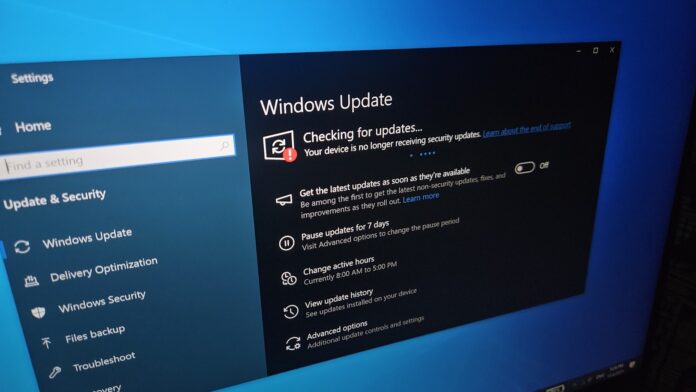
Windows 10 will continue to receive Extended Security Updates (ESU) until October 2027, which makes sense given that three in ten PCs still run the “retired” operating system. However, continuing to use Windows 10—particularly for gaming—will eventually become more difficult. Nvidia is the first major company to confirm that it will not extend support for another year, and others may soon follow.
Windows 10 reached the end of support on October 14, 2025, but MS initially extended security updates for another year, through October 2026. Those Extended Security Updates were originally scheduled to expire in about a month, but MS decided to grant Windows 10 another extension through October 2027.
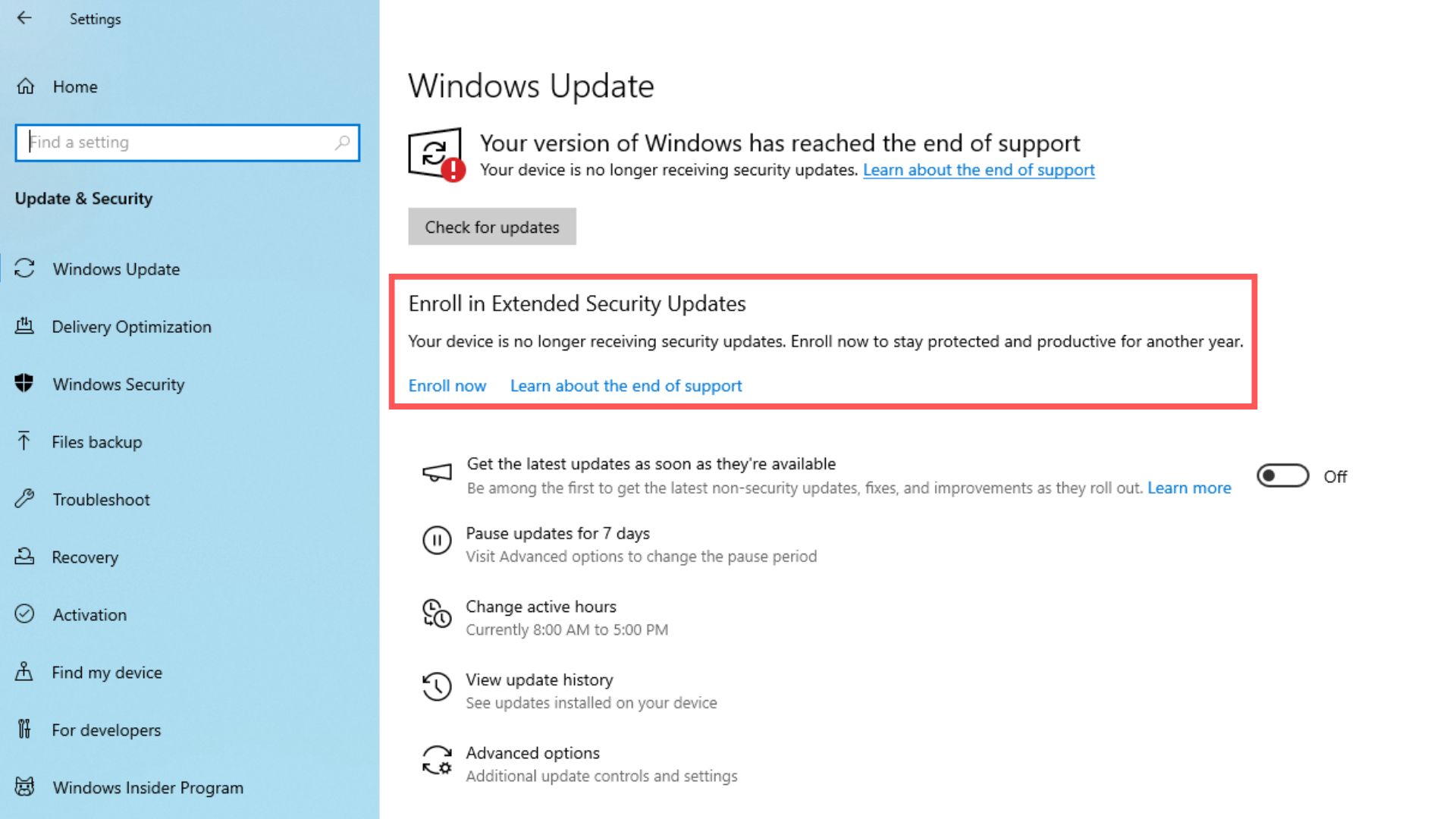
MS did not have a change of heart. Rather, the company ultimately recognized that some Windows 10 holdouts simply do not want to move to Windows 11.
However, MS’s extended support does not mean its partners will follow suit and provide Windows 10 users with another year of support. Nvidia is among the first companies to confirm that it will not participate in MS’s second round of extended support, and it is ending Game Ready Driver updates.
Nvidia Will Stop Releasing Windows 10 Game Ready Drivers in October 2026
Nvidia previously stated that a large number of GeForce users still use Windows 10, making it reasonable for the company to extend support for an additional year. However, that does not warrant another extension.
According to an updated support document, Nvidia will release the final Game Ready Driver supporting Windows 10 in October 2026. Beginning in November 2026, users who remain on Windows 10 will no longer receive game-related fixes or optimizations.
However, users will continue to receive security fixes, which are guaranteed until at least October 2029.
Is this a major concern? From a security perspective, it is not, because Nvidia drivers will continue receiving security fixes for another three years. However, anyone using Windows 10 for gaming should now seriously consider moving to Windows 11.
Although existing games should continue to work properly, newer bugs may never be patched, and Nvidia will no longer provide optimizations or support for new game releases. This will become an increasingly significant problem over time, particularly as major new titles, including Fable, begin arriving on PC.
A similar situation occurred with Windows 7, Windows 8, and Windows 8.1. In October 2021, Nvidia stopped producing GeForce Game Ready Drivers for those three versions of Windows. In the following years, major new games began encountering performance issues, bugs, or outright compatibility blocks.
Nvidia continued providing security-only drivers for Windows 7 through September 2024, but that did not make gaming on the operating system practical.
Windows 10 is likely to face a similar fate, so users who rely on it for gaming should prepare to move on.
It is also important to recognize that Nvidia is setting an example that other OEMs and chipmakers may follow. For these technology companies, however, greed—not consumers—appears to be the only priority.
How Many People Still Use Windows 10?
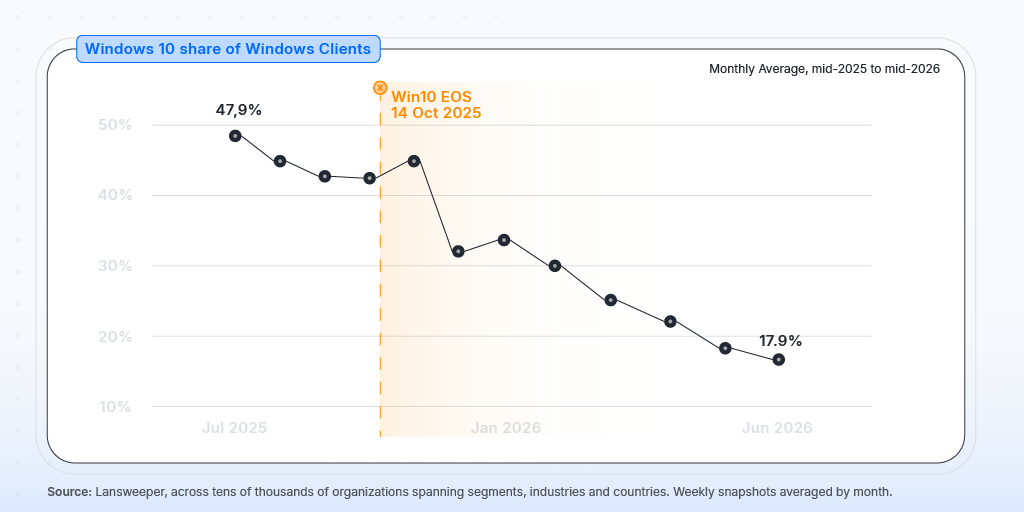
MS officially celebrates Windows 11 as a success with 1.6 billion users, but that does not mean Windows 10 is no longer in use. Millions of people are clearly still running Windows 10, and that number is significantly higher than it was when Windows 7 reached the end of support.
MS did not offer Windows 7 ESU to consumers because its market share was not large enough to justify such a program.
Windows 10 is different. Our analysis suggests that MS has concluded it simply cannot persuade the remaining holdouts to adopt Windows 11 without providing more compelling reasons.
According to HP, 30% of PCs still run Windows 10, and the company hopes those users will eventually move to Windows 11 or purchase a new PC.
“We did see good growth in both EMEA and APJ this quarter. And some of that was driven by the expected tailwinds from Win 11. And I would say, at this point, we have roughly 30% of the installed base still on Windows 10,” Karen L. Parkhill, HP’s Executive Vice President and Chief Financial Officer, told investors in late May 2026.
MS later acknowledged that Windows 11’s growth was largely driven by the end of support for Windows 10 and that this growth is now slowing.
“Windows OEM and Devices revenue decreased 7%, and Windows OEM decreased 5% driven by lower PC market demand and a high prior-year comparable that benefited from Windows 10 end of support,” MS noted during an earnings call published in July 2026.
MS does not appear to be planning any new dark patterns aimed at the remaining Windows 10 holdouts. Instead, it is working to improve Windows 11 by increasing performance, reducing advertisements, making the Start menu resizable, and introducing other enhancements.
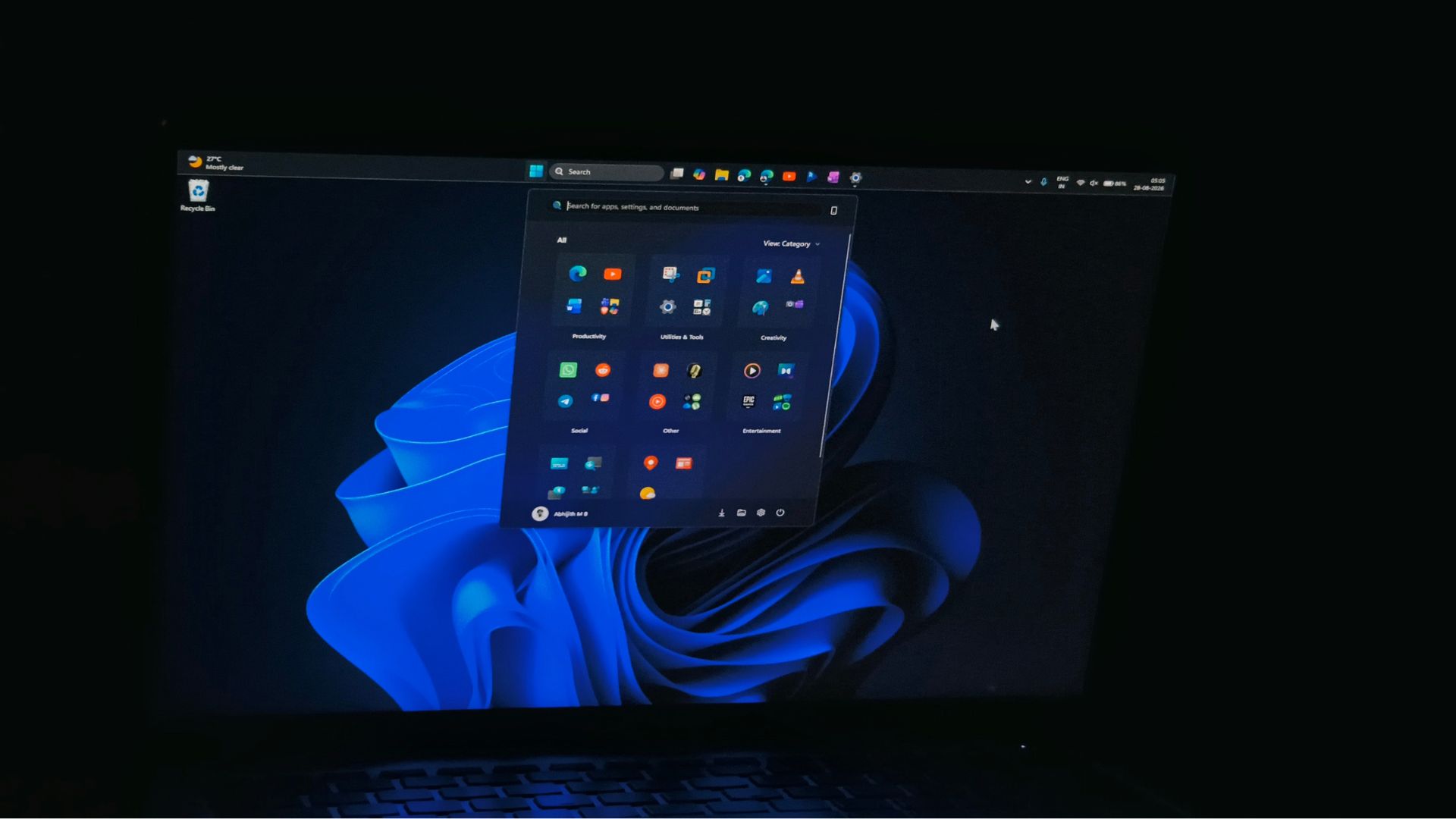
The company hopes these changes will persuade Windows 10 users to consider switching. However, AI PCs are unlikely to accomplish that goal. This also aligns with Nvidia’s new marketing strategy for RTX Spark, which drops the Copilot+ PC branding.
Windows Latest depends on readers like you. Make us your Preferred Source on Google Discover and Google Search, and help our independent reporting reach more people.