Origins and Legacy of the Yakuza / Like a Dragon Series
Originally released as a PlayStation 2 game in 2005, Yakuza (Ryu ga Gotoku in Japan) launched a long-running and critically acclaimed video game series centered on the conflicts, loyalties, and schemes of yakuza families in the fictional Tokyo district of Kamurocho. (In 2022, the series was officially renamed Like a Dragon, reflecting the English translation of Ryu ga Gotoku.)
The games are simultaneously action-packed, melodramatic, cinematic, and delightfully absurd. Skipping side quests means missing a core component of the series’ signature humor and world-building. For years, the franchise struggled to gain international recognition—but it has since earned widespread acclaim, fueled by a remarkably consistent output of localized re-releases, spin-offs, and new mainline entries, including the upcoming Stranger Than Heaven, set in early- to mid-1900s Japan.
How Many Yakuza / Like a Dragon Games Are There?
Sega and Ryu Ga Gotoku Studio have released nine mainline Yakuza / Like a Dragon games, three remakes—Yakuza Kiwami (2016), Yakuza Kiwami 2 (2017), and Yakuza 0 Director’s Cut (2024)—and twelve spin-offs since the franchise’s 2005 debut. Initially PlayStation exclusives, the titles were later ported to Xbox and PC. Every new mainline release since Yakuza: Like a Dragon has launched simultaneously across all platforms—except Nintendo Switch. However, as announced in the August 2024 Nintendo Direct, Yakuza Kiwami became the first Like a Dragon title to arrive on Switch in October 2024, and Yakuza 0 Director’s Cut is among the exclusive launch titles for the upcoming Switch 2.
Beyond the mainline entries, the Like a Dragon universe features an exceptionally diverse array of spin-offs:
- Kurohyō: Ryu ga Gotoku Shinsho (2010) and its sequel Kurohyō 2: Ryu ga Gotoku Ashura Hen (2012): PlayStation Portable–exclusive titles starring Tatsuya Ukyo, an entirely new protagonist.
- Judgment (2018) and Lost Judgment (2021): Feature Takayuki Yagami—a lawyer turned private investigator—as he investigates mysterious murders in Kamurocho. While narratively independent, these titles include meaningful peripheral crossovers with Kazuma Kiryu and the Tojo Clan’s subsidiary families.
- Yakuza: Dead Souls (2011): A zombie-apocalypse spin-off starring the classic cast in a dystopian Kamurocho.
- Yakuza Online (2018): A free-to-play trading card game for mobile and PC that served as the soft-launch platform for Ichiban Kasuga—the protagonist of Yakuza: Like a Dragon.
- Fist of the North Star: Lost Paradise (2018): A crossover title adapting the iconic manga into the Yakuza framework, retaining Kiryu’s signature gameplay structure and narrative tone.
- Ryu ga Gotoku Kenzan! (2008) and Ryu ga Gotoku Ishin! (2014): Historical spin-offs set in pre-modern Japan, featuring real-life figures such as Miyamoto Musashi and Sakamoto Ryōma. The latter was localized in the West as Like a Dragon: Ishin! in 2023.
- Like a Dragon: Gaiden – The Man Who Erased His Name (2023): Set concurrently with Yakuza: Like a Dragon, this entry bridges the narrative gap following the ending of Yakuza 6: The Song of Life.
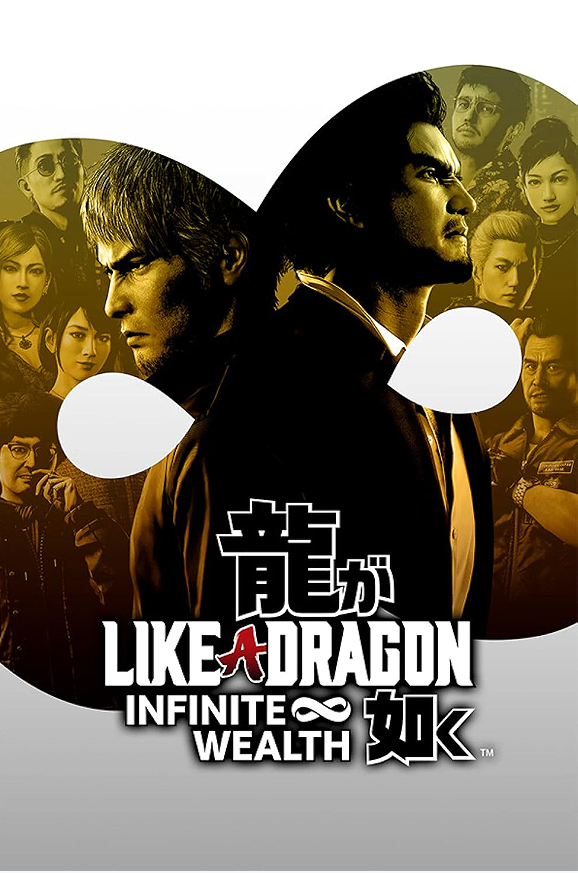
- Like a Dragon: Pirate Yakuza in Hawaii (2024): The latest spin-off, starring fan-favorite Goro Majima as an amnesiac protagonist navigating Honolulu six months after the events of Infinite Wealth.
Which Yakuza Game Should You Play First?
Given the series’ expansive timeline and branching narratives, newcomers may wonder where to begin. For a foundational experience, we recommend starting chronologically with Yakuza 0—either the original or the enhanced Director’s Cut. Alternatively, those seeking a fresh entry point with modern mechanics and a new protagonist can begin with Yakuza: Like a Dragon, which serves as both a thematic and structural reboot.