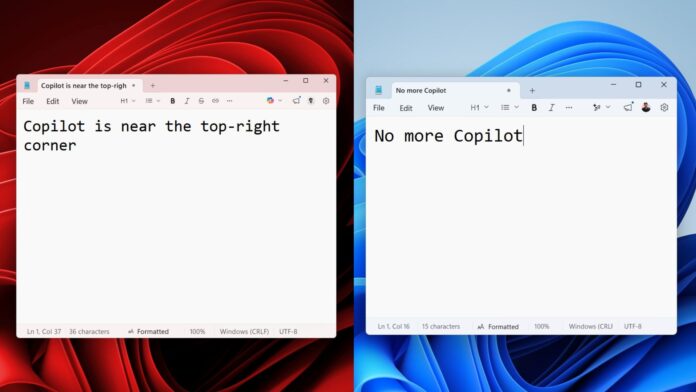
MS wants Windows to be loved again, and it is taking several steps to improve the operating system. We are getting a movable taskbar and even Bing-free Windows Search, something nobody would have anticipated in 2025. But does that mean AI will disappear from Windows 11 so MS can focus on stability and quality? Certainly not. The strategy will simply place less emphasis on Copilot buttons.
While reading Satya Nadella’s Q3 address, I noticed that he mentioned Windows several times. He first revealed that it runs on 1.6 billion active devices each month, then confirmed MS’s broader strategy of focusing on fundamentals and teased a new future for the operating system under the umbrella term “unmetered intelligence.”
What is that supposed to mean? Thanks to MS’s recent presentation at IFA 2026, we finally know a little more.
At IFA 2026, Mark Linton, MS’s Corporate Vice President for Windows & Devices, used the same phrase, “unmetered intelligence,” to describe the future of the operating system.
He suggested that AI is here to stay in Windows 11, although its future could look very different.
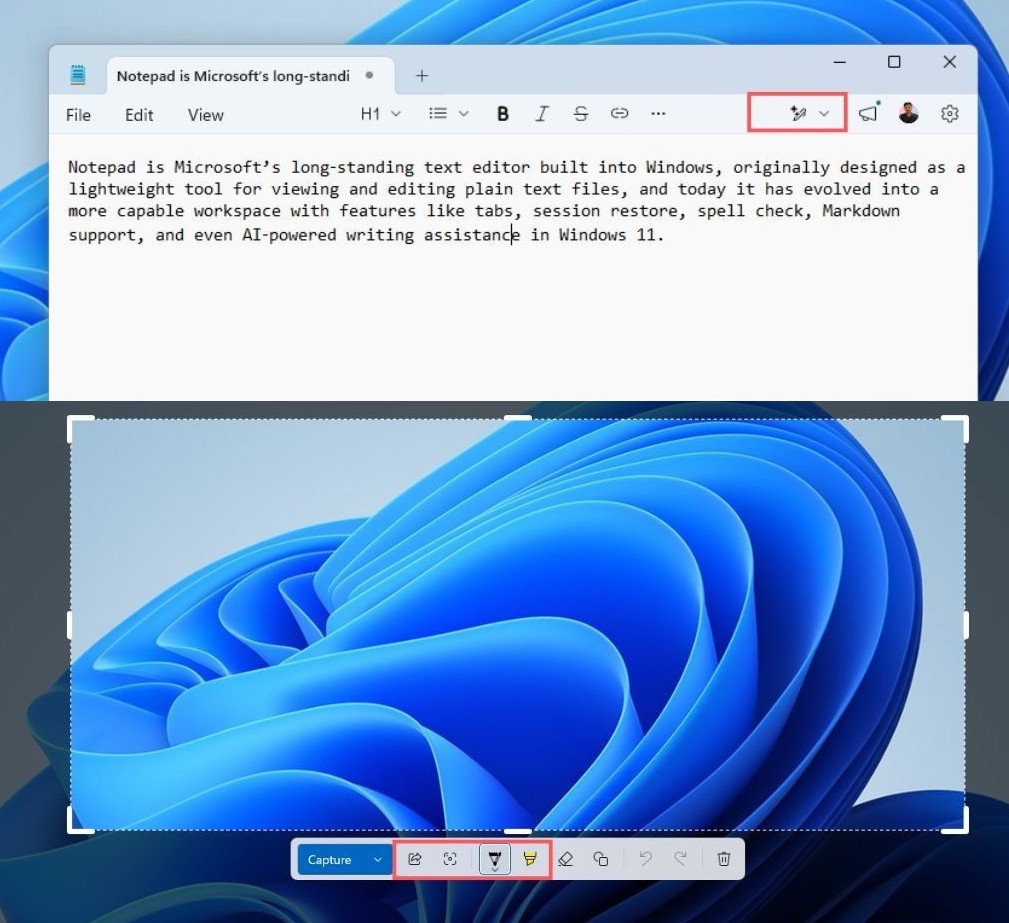
According to MS, Windows should no longer be defined solely by additional Copilot buttons or AI features. This shift is already visible across the operating system. For example, the company recently removed Copilot from MS Photos and Snipping Tool and renamed Notepad’s Copilot integration “Writing tools.”
Rather than adding more AI-powered features or buttons to Windows, MS wants the operating system to become a platform on which AI models and agents can run locally.
This reflects a trend I have increasingly observed across the AI industry: the focus is shifting from chatbots to agents, with ChatGPT Astra built entirely around this concept.
This shift appears to be happening because AI companies believe agents offer the greatest financial opportunity. They will encourage consumers, enterprises, and developers to adopt agents, and MS wants Windows to be ready for that future.
MS Calls It “Unmetered Intelligence”
MS’s more intriguing idea is what it calls “unmetered intelligence,” a clever marketing approach that reduces its dependence on Copilot and conventional AI terminology.
At IFA 2026, Linton compared MS’s AI ambitions with the company’s famous goal of putting a PC on every desk and in every home.
“One of the big areas that we’re talking about now is AI and what we can do for unmetered intelligence,” Linton said. “And so if you think about it, we talk about unmetered intelligence on every desk and in every home.”
“If you remember when Bill Gates was the boss of MS, it was about a PC on every desk in every home,” he added.
Windows Latest understands that “unmetered intelligence” means moving more everyday AI processing from MS’s cloud—or services from OpenAI or Claude—to the PC you already own. If a model can run locally on your PC, you do not need to pay for a subscription or have each interaction limited by cloud-token usage.
MS is not attempting to replace cloud-based AI entirely, as the cloud will remain important. However, for smaller tasks and interactions, the company wants users to rely on their PCs.
MS argues that increasingly powerful Windows PCs should be capable of running more AI models locally instead of depending on the cloud for every request.
“We mean that these powerful PCs can complement what you do in the cloud, but you shouldn’t have to go to the cloud for models that you can use every day,” Linton explained.
Linton also connected this idea to the economics of AI, particularly token usage, by raising a valid point.
“What if your PC were powerful enough and essentially you can change your token economics by running it locally on your PC?” Linton said.
When a model runs locally on your CPU, GPU, or NPU, MS does not have to process every request through an expensive cloud data center, and you do not necessarily consume cloud tokens each time you ask the model to perform a task.
MS is not promising unlimited free Copilot access. In this context, “unmetered” simply refers to AI running on your own PC without being metered as cloud inference.
“These powerful PCs can do so much, why not offload to the PC for your AI workloads and creator workloads?” he said.
During the same event, MS discussed PCs capable of running models with tens or even hundreds of billions of parameters locally. Linton described some of these machines as approaching “super computer capability on the desktop,” adding that developers and creators would be able to run AI workloads “right on the desk.”
Windows Wants to Become the Operating System for AI Agents
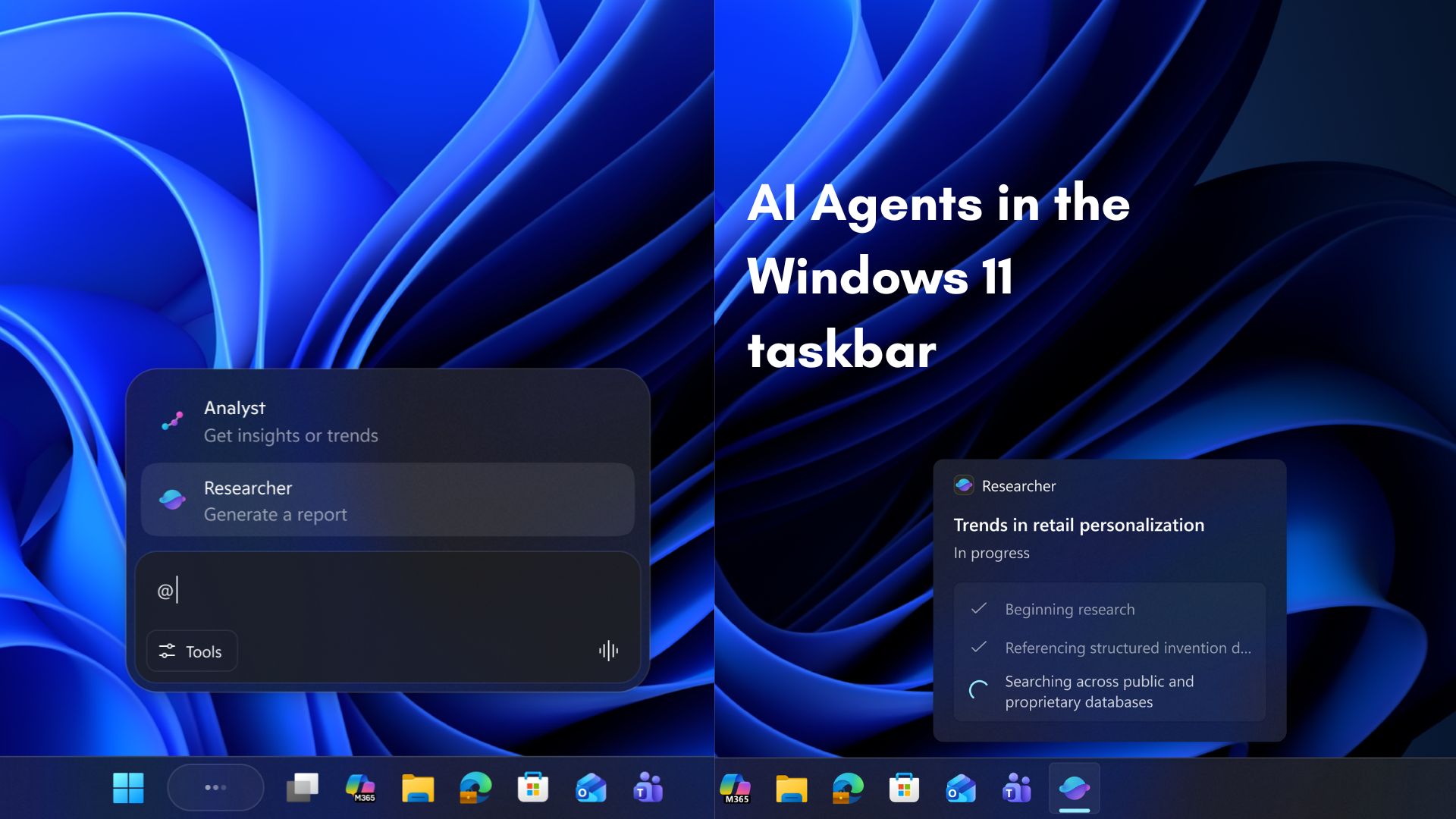
The more closely I followed MS’s presentation at IFA, the clearer it became that Windows will eventually become an operating system for AI agents. MS stated this ambition directly by declaring that it wants to make Windows “the best platform for AI.”
MS outlined three areas it is developing to make that vision a reality, beginning with the developer experience and “a streamlined experience to help builders build faster and create.”
Linton highlighted recent Windows innovations, including Developer Mode and MS’s efforts to support development directly within Windows.
“Customers are very clear. I don’t want to let agents just run loose across my corporate network,” Linton said. “I need security and manageability because I want to use the power of these… long-running agents, but I don’t want to let go of my policies.”
A future Windows 11 release also appears likely to provide greater control over how agents operate on a PC. For example, users will be able to audit AI agents, monitor their logs in Windows 11, and exercise greater control over what they are permitted to do.
MS is already developing containers and subsystems for AI on Windows. These measures should help prevent an AI agent from interfering with personal files or causing disruption on a PC.
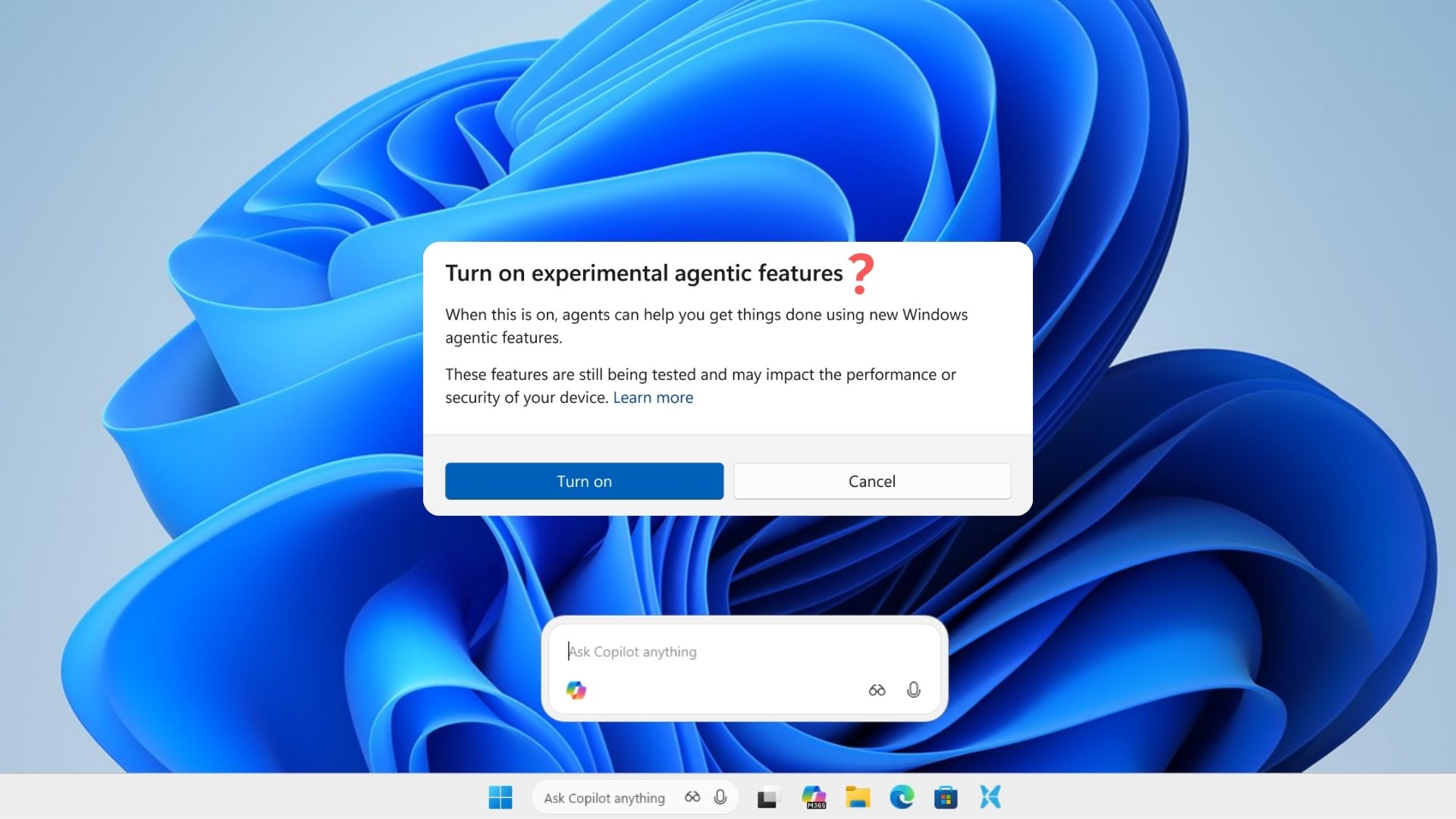
MS says it will share more details later this year. At this point, however, users should not expect Windows—or any other major platform—to avoid AI.
Windows Latest depends on readers like you. Make us your preferred source on Google Discover and Google Search, and help our independent reporting reach more people.