OEMs Drivers Are at Fault for BSODs in Windows 11
Windows has undergone one of its most transformative periods in years. After a disastrous 2025, marked by a string of broken updates and over twenty major issues, Microsoft has made a significant turnaround. In March 2026, Windows President Pavan Davuluri publicly committed to improving Windows, initiating a quality-focused effort that is showing visible results each month.
However, as Microsoft works to rebuild Windows 11, some OEMs are introducing new problems. In April 2026, HP shipped BIOS updates that caused enterprise laptops to enter endless BitLocker recovery loops. Similarly, in May 2026, Dell’s SupportAssist software, a tool meant to ensure PC health, began causing blue screens of death (BSODs) every 30 minutes. These incidents highlight how Windows 11 often takes the blame for issues that are actually due to OEM software and firmware.
While Microsoft focuses on stabilizing Windows 11, its OEM partners are sometimes the source of instability, undermining the progress being made. This comes at a critical moment, with Windows gaining momentum at Build 2026 and Computex, while Apple aggressively pushes its MacBook Neo at competitive pricing.
HP’s April 2026 BIOS Updates Triggered BitLocker Recovery Loops
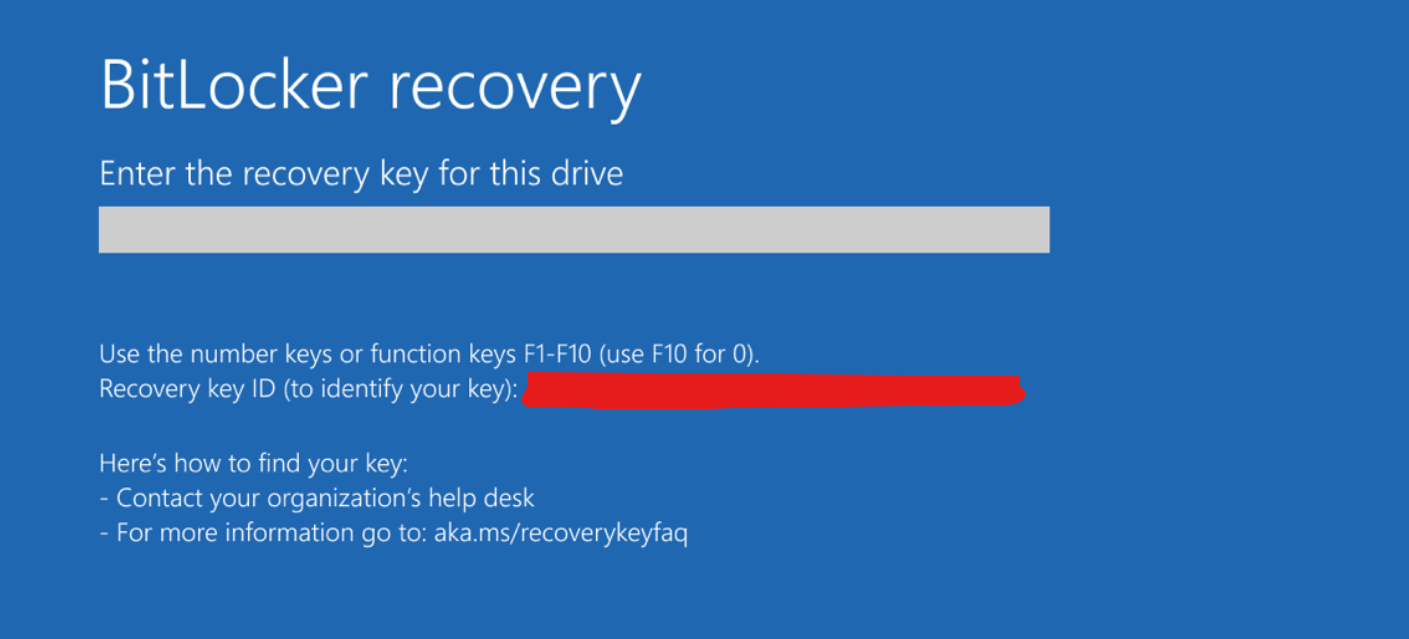
If you managed a fleet of HP enterprise PCs, late May 2026 was a challenging time. IT administrators and users reported widespread issues with HP EliteBooks, ProBooks, ZBooks, and workstations being stuck in repeated BitLocker recovery loops after installing BIOS updates released in April 2026. Entering the correct recovery key only provided temporary relief, as the issue reoccurred on the next reboot.
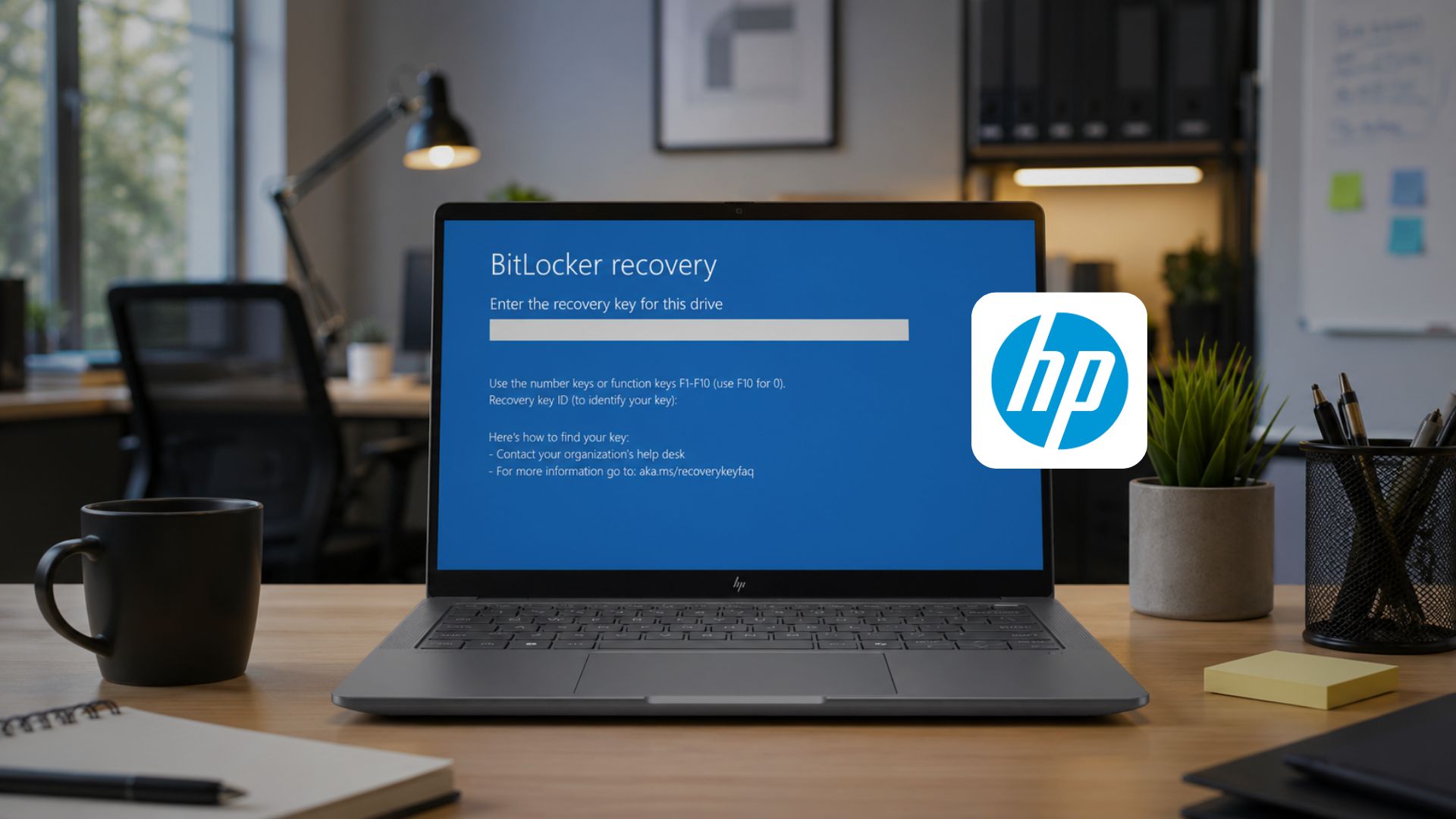
The root cause was HP’s faulty BIOS update, which clashed with Microsoft’s ongoing migration to Secure Boot 2023 certificates. These certificates, replacing the 2011 version, are necessary for enhanced security and will become mandatory in June 2026. BitLocker, tied to Trusted Platform Module (TPM) measurements, flagged inconsistencies caused by the firmware, resulting in recovery prompts.
Unfortunately, HP’s firmware failed to establish a stable baseline for the new Secure Boot state, leading to a persistent mismatch detection and endless recovery loops. IT administrators were forced to manually intervene, accepting the 2023 Secure Boot certificates on each affected machine—a time-intensive process unsuitable for large-scale enterprise environments.
HP eventually acknowledged the issue and began working on a fix. However, the interim solution requiring hands-on intervention undermines the efficiencies modern device management aims to deliver. Microsoft has since provided technical guidance in an AMA for IT administrators handling the Secure Boot 2023 migration.
Dell SupportAssist Became the Source of the BSODs It’s Supposed to Prevent
While HP’s incident was rooted in firmware, Dell’s situation revolved around software. In early May 2026, owners of Dell laptops and desktops, including XPS, Alienware, Latitude, and Precision models, reported their machines crashing with BSODs every 30 minutes. The issue escalated quickly, rendering systems nearly unusable.
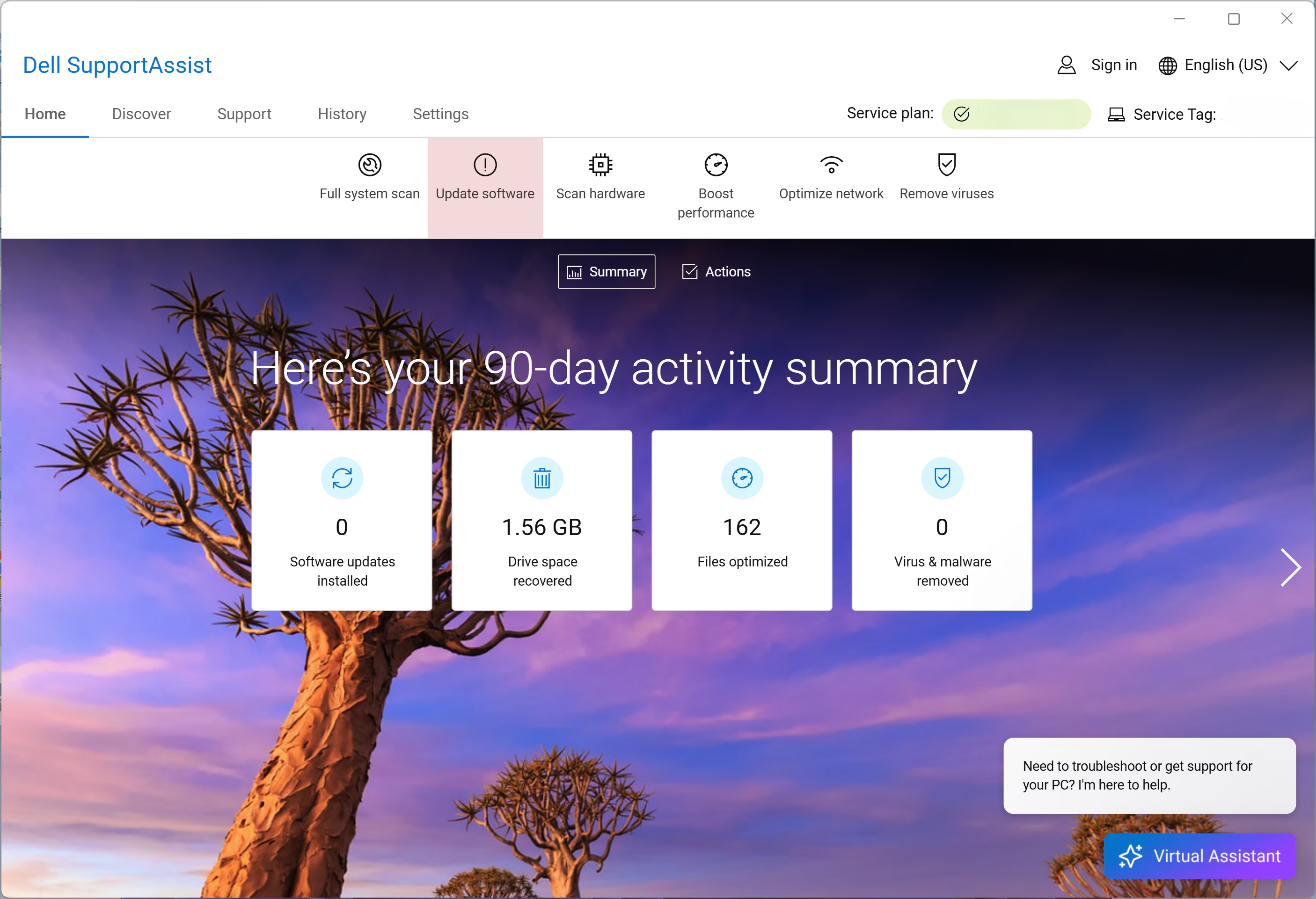
Initially, blame was directed at Windows 11, as the crashes coincided with a Patch Tuesday update. However, the real culprit was Dell’s own SupportAssist Remediation service. Version 5.5.16.0 of the software caused crashes with the stop code 0xEF_DellSupportAss_BUGCHECK_CRITICAL_PROCESS. Dell addressed the issue by recommending users uninstall the problematic service while a fix was being developed.
The problem spread rapidly, with over 300 forum replies in just 48 hours from affected users spanning various Dell models. This wasn’t Dell SupportAssist’s first failure—similar BSOD issues were reported in December 2024. While the tool is designed to improve PC performance and simplify processes like updates and recovery, incidents like this undermine its purpose.
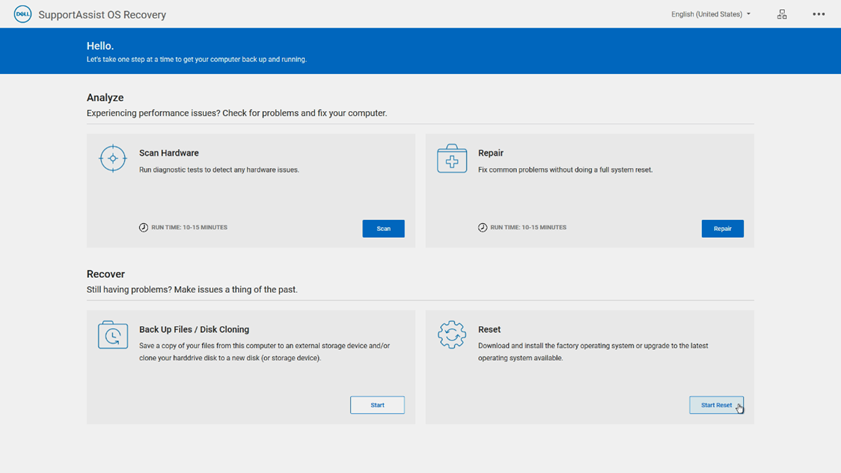
The incident highlights the risks of poorly tested updates and the need for OEMs to ensure the stability of their software. When the very tools meant to enhance user experience cause system-wide failures, the trust in automated PC maintenance erodes.
Microsoft Has Been Genuinely Fixing Windows 11
As OEM issues persist, Microsoft has been making substantial progress with Windows 11. In March 2026, Microsoft outlined several improvements, including:
- More user control over updates
- Reduced automatic restarts
- Faster File Explorer launch times
- Minimized screen flicker
- Rolling back aggressive Copilot integrations
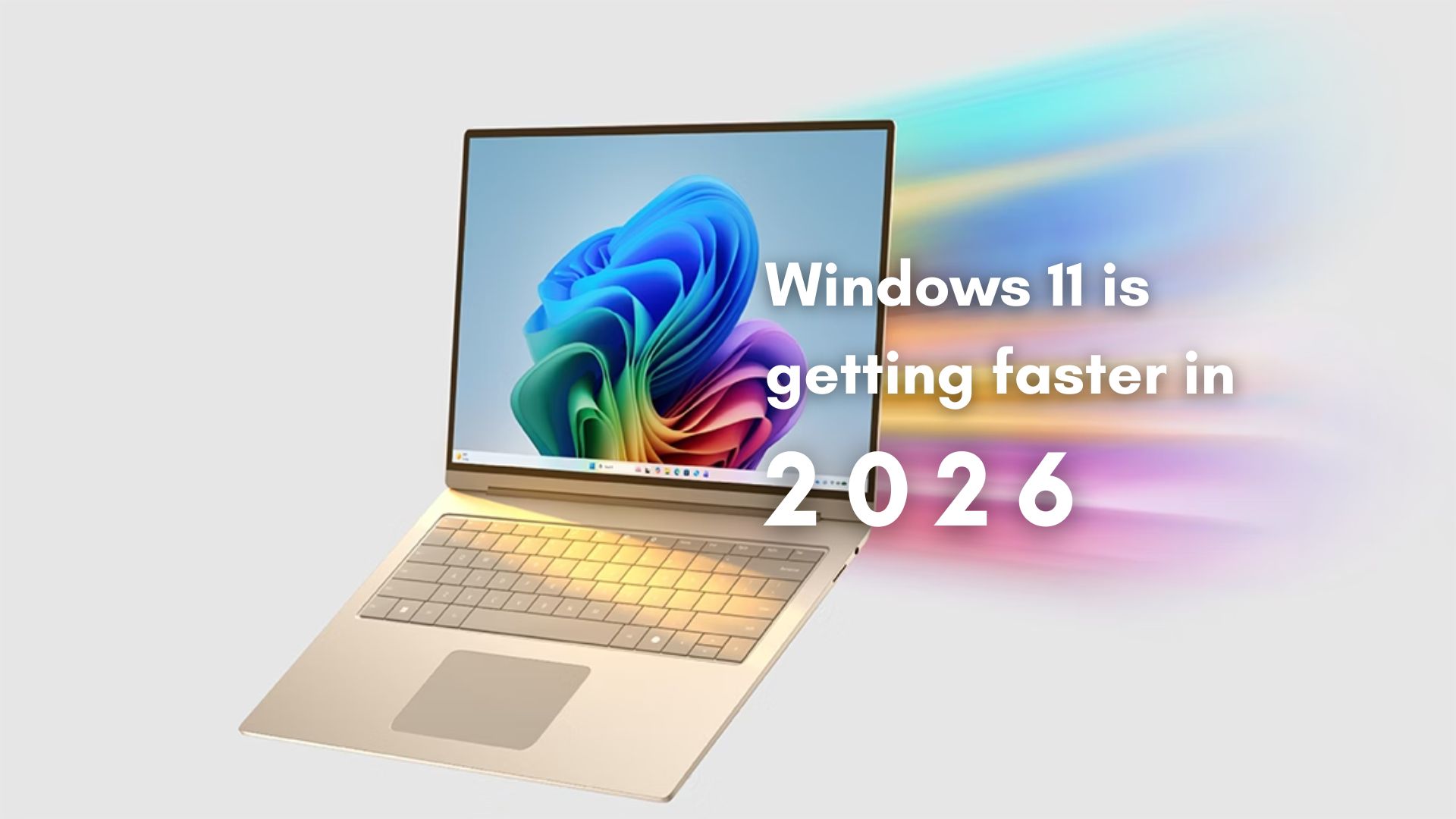
At the Windows Hardware Engineering Conference (WinHEC) 2026, Microsoft unveiled the Driver Quality Initiative (DQI) and Cloud-Initiated Driver Recovery (CIDR) to address issues caused by faulty drivers. CIDR allows Microsoft to remotely roll back problematic drivers to known-good versions via Windows Update without waiting for OEMs to act.
Additionally, Microsoft is rewriting the Windows 11 shell in native code to improve performance and reduce system overhead. The Start menu is being rebuilt in WinUI, and significant progress has been made in optimizing memory usage and enhancing the system compositor. These changes are set to make Windows 11 nearly unrecognizable by 2027 in terms of performance and usability.
Apple's Competitive Pressure is Driving the Industry Forward
Apple’s relentless innovation has been a key factor in pushing Microsoft and Windows OEMs to improve. The launch of the MacBook Neo in March 2026 at an aggressive $599 price point highlighted the performance and efficiency of Apple Silicon, particularly the A18 Pro chip, compared to x86 processors.

The Neo’s launch came at a challenging time for Windows OEMs, with rising RAM and NAND prices driving up PC costs. Apple’s competitive pricing forced OEMs like Lenovo, HP, and Dell to improve their budget laptop offerings, leading to more affordable, higher-quality Windows devices equipped with innovations like Snapdragon X2 chips and NVIDIA’s RTX Spark architecture.
The Challenge Ahead for Windows OEMs
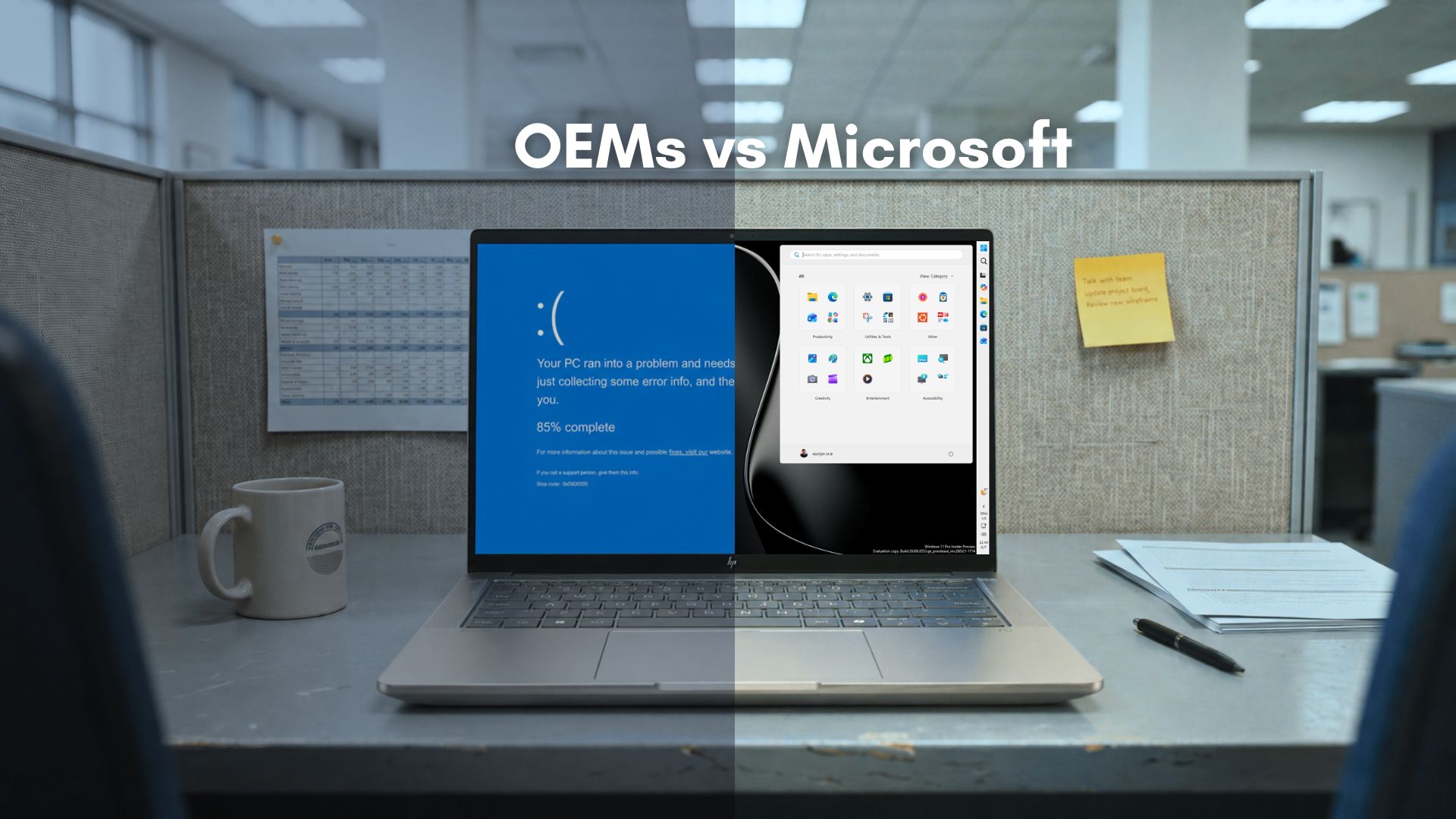
Microsoft’s efforts to improve Windows 11 are undeniable, but the onus is now on OEMs to step up. Issues caused by faulty BIOS updates and unstable OEM software need to be addressed to ensure the ecosystem's stability. While tools like CIDR and the Driver Quality Initiative aim to mitigate issues, they cannot fix problems caused by OEM firmware or utilities.
Examples like Lenovo’s Smart Connect show what good OEM software can achieve, offering seamless integration and productivity features. However, incidents like Samsung Galaxy Connect’s update debacle in early 2026 underscore the need for rigorous testing and quality assurance.
As Microsoft lays the foundation for a more stable Windows 11, the question remains: will OEMs rise to the challenge and ensure their software and firmware meet the same standards?