Reflections on a Career at MS
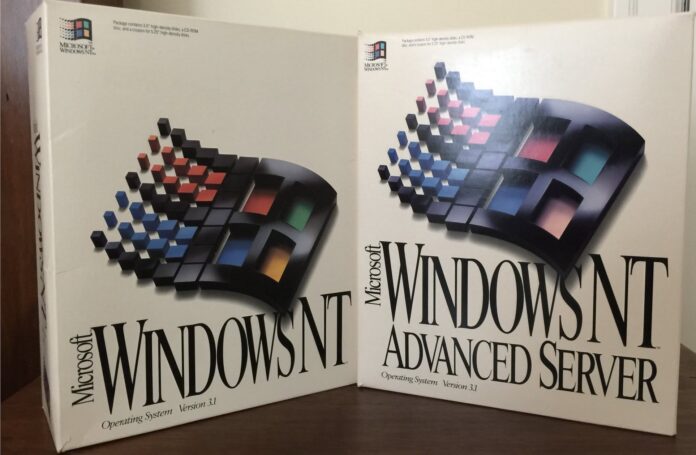
I spent a lifetime working at MS. In the early 1990s, I began building and supporting Windows 3.x environments at a university. Often, I found myself cursing MS for complicating our lives, though, in hindsight, much of the pain was self-inflicted by trying to integrate WFW3.11 with Novell Netware 4.0—an entirely different story.
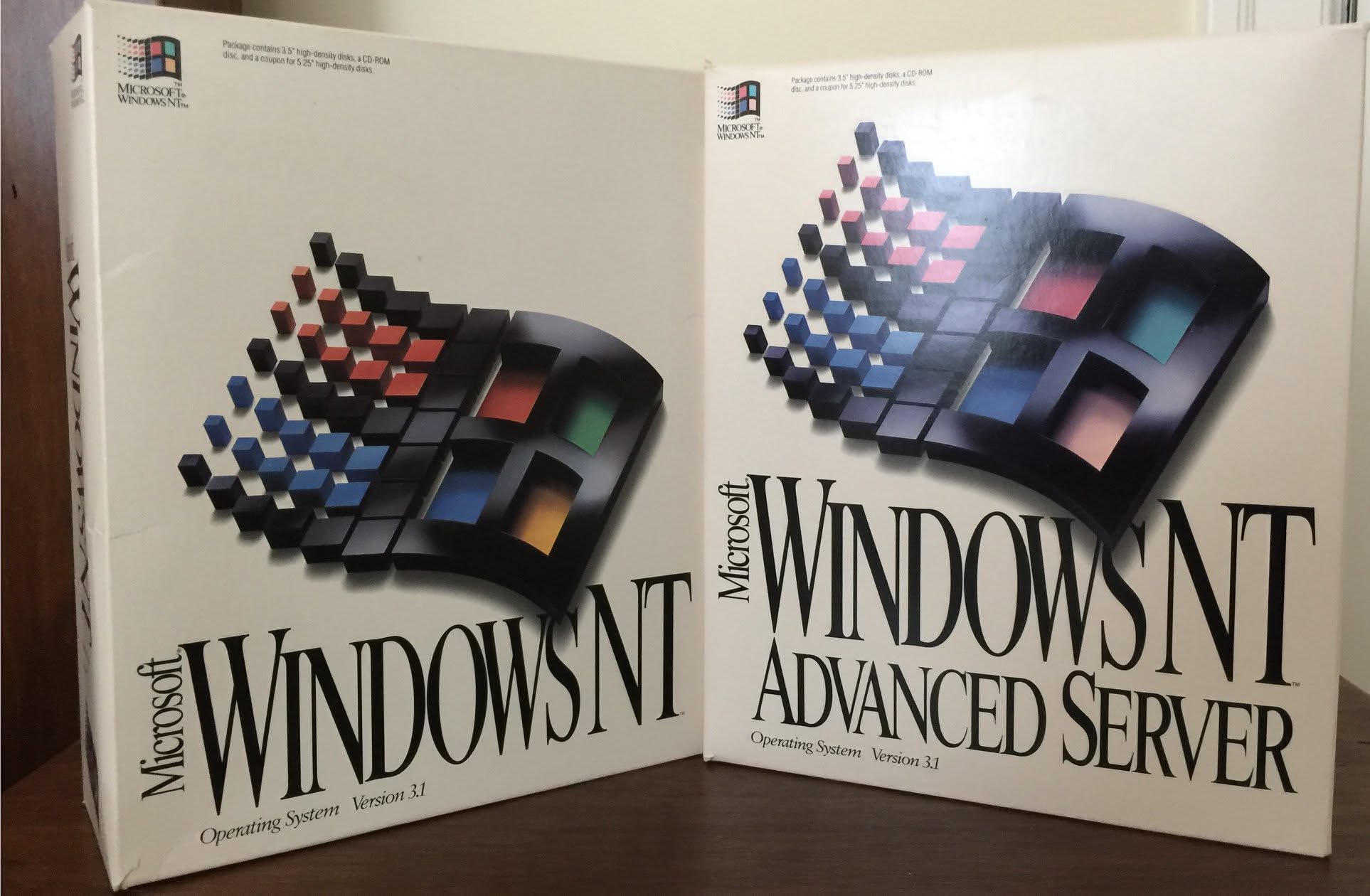
Later, during my tenure at a consulting company, I transitioned into its IT department during a period of significant consolidation. In 1993, the IT director made the bold decision to adopt Windows NT, rolling out NT3.1 as the company-wide standard. It was a daring move that some considered reckless at the time.
A few years later, I replaced the global MSMail email system with a new solution called “Exchange,” which ultimately led me to join MS UK in mid-1997.
During my time in Redmond as part of the Exchange product group, I never worked directly on Windows (server or client). However, I considered myself a power user of the Windows client while staying informed about Windows Server developments, given Exchange’s reliance on it. This understanding deepened significantly when Active Directory, which evolved from the Exchange Directory, was introduced with Windows 2000.
MS's Enterprise Focus
For years, MS prioritized expanding its technology adoption among enterprise customers—companies and public sector organizations with hundreds or thousands of users. These organizations were often persuaded to sign multi-year licensing agreements, granting access to the latest versions of Office, server technologies (like Exchange, SharePoint, and OCS/Skype/Lync), and the Windows Servers powering core infrastructure. These servers facilitated critical operations like user authentication, system security, client updates, and essential services such as file and print management. For many organizations, this setup became the default.
While Windows client and Office apps were once MS’s primary revenue drivers, other servers and services eventually grew to be equally significant, if not more so.
The Rise of the Cloud
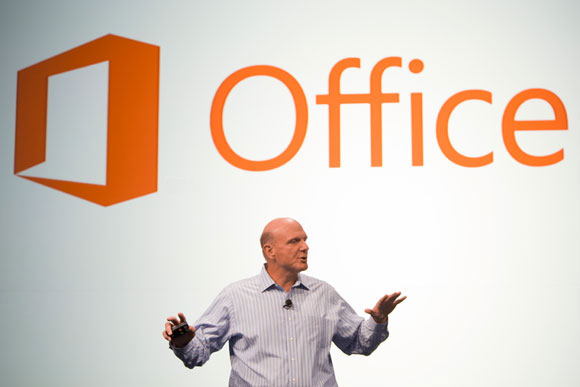
In the early 2010s, MS began taking Software-as-a-Service (SaaS) seriously, particularly for backend services that would evolve into Office 365 (now MS 365). In mid-2011, CEO Steve Ballmer launched Office 365 as the preferred method for delivering email and collaboration services, replacing traditional on-premises servers.
Ballmer faced criticism from MS partners who relied on periodic Office and server upgrade projects for their business. Nonetheless, the shift to cloud services became inevitable. The default approach was to prioritize cloud adoption, with on-premises solutions reserved only for exceptional cases. Even MS’s own sales teams were initially hesitant to promote subscription-based Office over traditional licensing, but Ballmer was adamant about leading with the cloud-first strategy.
Shortly after, Azure emerged as a platform for hosting workloads, whether through Virtual Machines, containers, or cloud-native applications. MS 365 expanded further, providing infrastructure previously reliant on on-premises Windows Servers. Many organizations began to minimize their reliance on in-house datacenters. One customer even humorously remarked during the Office 365 launch that they planned to install a jacuzzi in their datacenter after replacing physical servers.
Competition and Challenges
MS has always been vigilant about competitors. Bill Gates recognized early on the importance of defending its strongholds and countering rival companies. This competitive mindset may have contributed to MS’s legal troubles with the U.S. Department of Justice in the late 1990s, stemming from practices like forcing OEMs to bundle Internet Explorer instead of Netscape or resisting Real Networks’ efforts to compete with Windows Media Player.
The company faced fierce competition in multiple domains: MS Money vs. Intuit, Word vs. WordPerfect, and even the Zune vs. Apple’s iPod. The Windows Mobile initiative initially aimed to compete with Symbian and Blackberry before pivoting to challenge Android and iPhone with Windows Phone. While many of these efforts failed or became irrelevant, protecting Windows remained MS’s primary mission for decades.
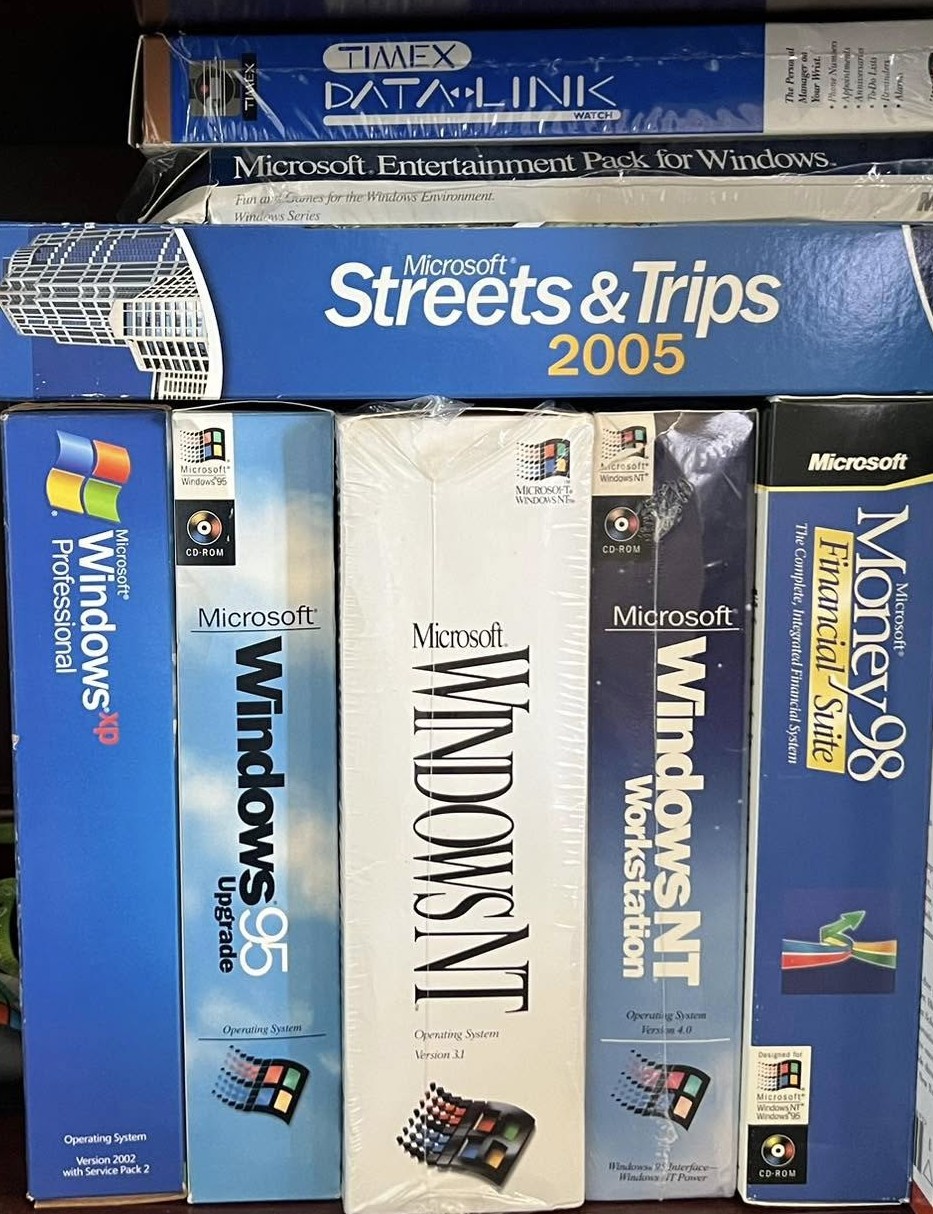
This desire to safeguard Windows led to the creation of numerous ancillary products, from Money and Encarta to AutoRoute/Streets & Trips, as well as various hardware and gaming ventures. MS constantly faced threats to Windows’ dominance, whether from IBM’s OS/2, Apple’s resurgence, or the rise of Linux. During the “OS Holy Wars” of the 1990s, competitors like Mac and Linux were touted as alternatives to Windows, though MS consistently maintained its lead. However, the real challenge to Windows’ supremacy ultimately came from the rise of mobile devices rather than desktop operating systems.
The Desktop Era
The release of Windows XP in 2001 marked a turning point, providing a unified platform for both consumers and business users. It was immensely successful. Midway through its lifecycle, MS pivoted to prioritize security, resulting in the comprehensive overhaul seen in Windows XP Service Pack 2—a release so substantial it felt like a new version.
The ambitious “Longhorn” project, intended to revolutionize both client and server technology, faced numerous challenges. When it failed to deliver, MS released Windows Vista five years after XP, which received a mixed reception. Windows 7, marketed as restoring the “new car smell” to the OS, corrected Vista’s missteps and became the true successor to XP.
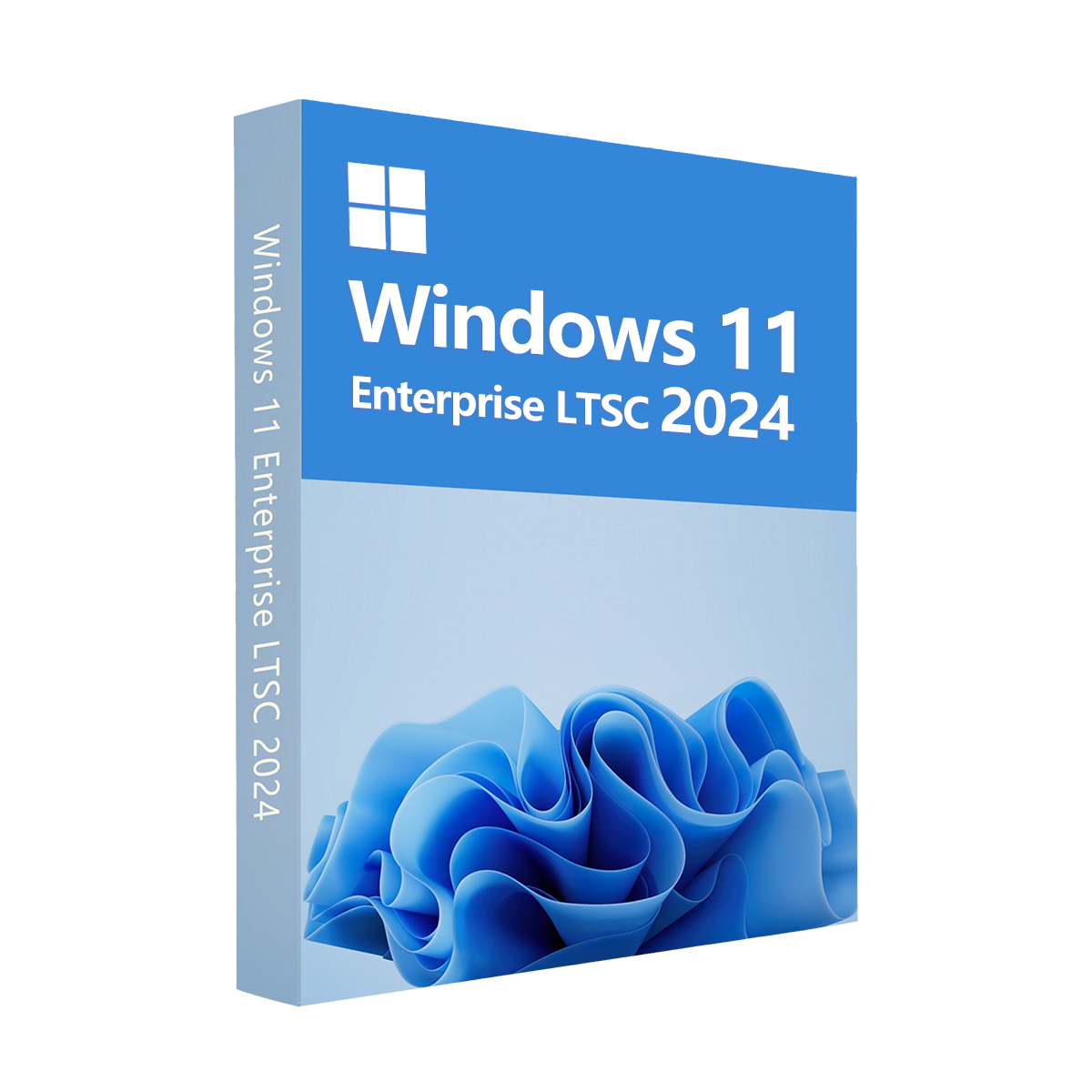
Windows 8 and 8.1, however, were criticized for prioritizing touchscreens and app stores over user needs. Windows 10 emerged as a refined version of Windows 7, leveraging modern hardware to improve user experience. Similarly, Windows 11, now nearly five years old, has drawn comparisons to Vista due to its divisive changes, leading some users to stick with Windows 10 or modify Windows 11 to resemble its predecessor. The old adage of skipping every other Windows version—Vista, 8.x, and 11—may still hold true for some.
Windows’ prominence within MS has diminished. In 1997, Windows client revenue accounted for roughly 40% of the company’s total income. Today, it represents less than 10%. As Linux and Mac failed to dethrone Windows, MS shifted focus to subscription models like MS 365 and Azure. More recently, AI and features like Copilot have taken center stage, often at the expense of traditional Windows innovation.
Windows 11: A Renewed Focus
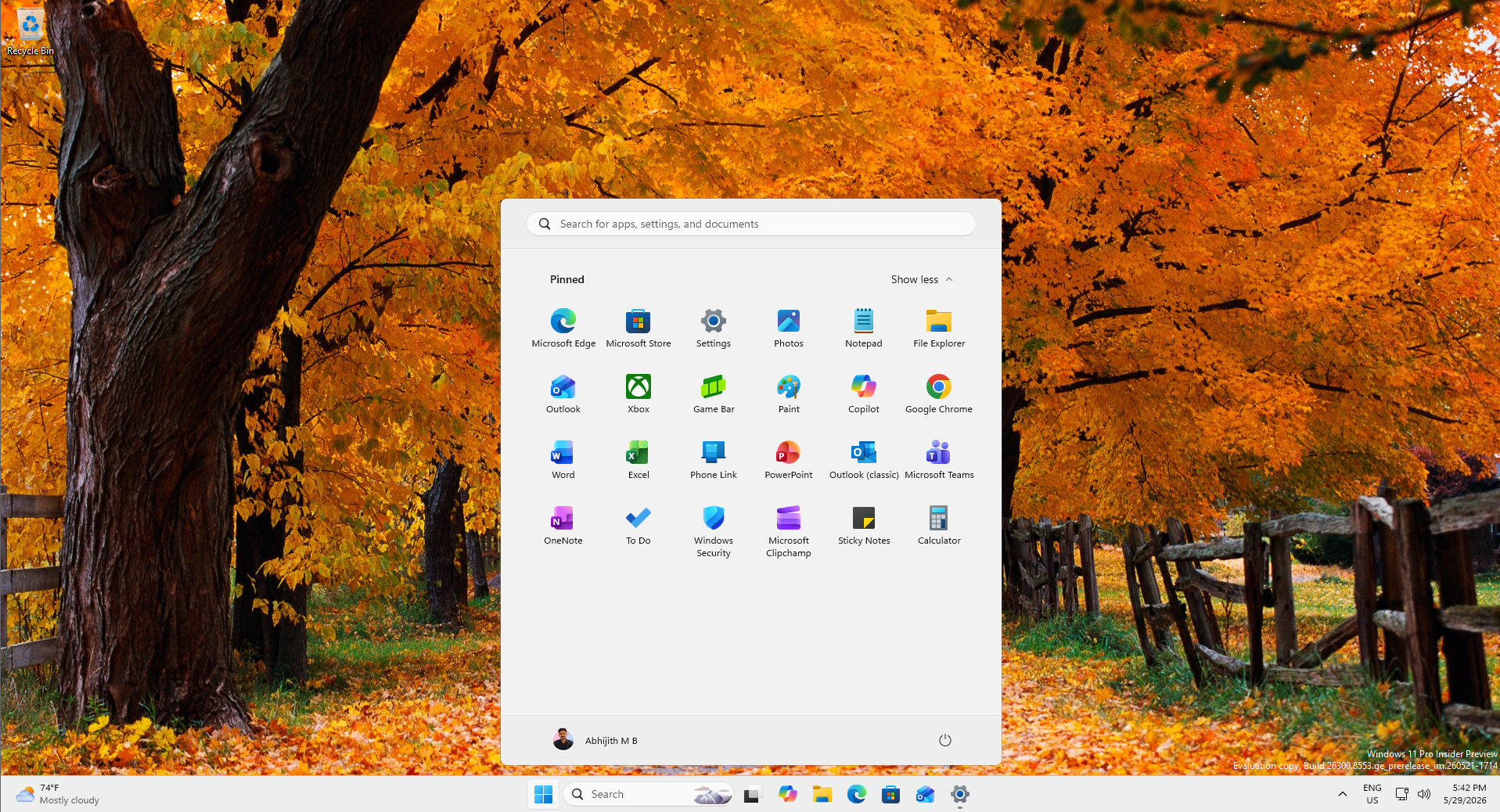
Windows client appears to be regaining MS’s attention. Recent updates to Windows 11 have improved the Start menu, reduced intrusive ads in widgets, and addressed long-standing user requests, such as taskbar customization. Additionally, MS seems to be reconsidering its approach to integrating AI features like Copilot into every application.
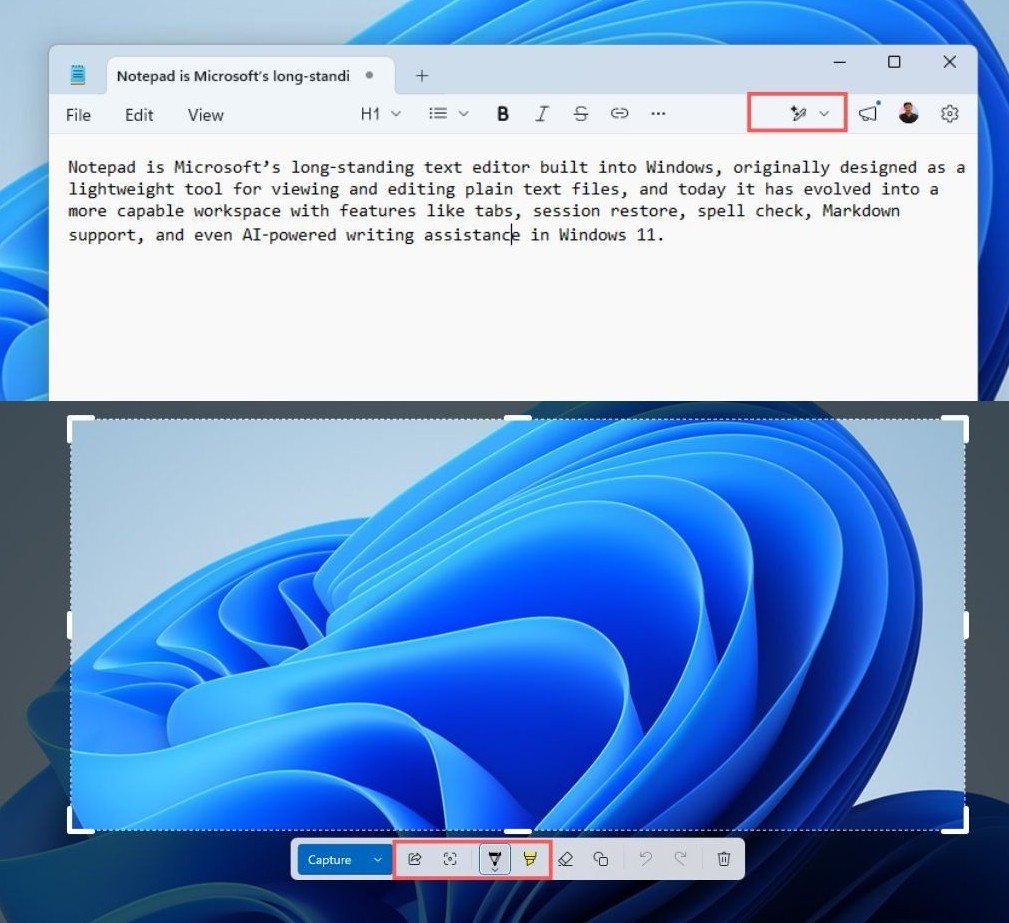
As younger generations grow up using Chromebooks and iPads, there is a risk that Windows could fade into obscurity, much like how older technologies have been forgotten. Whether Windows 12 will emerge or Windows 11 will continue to evolve remains uncertain. However, there is a comforting sense that MS has started caring about Windows again.
Windows Latest depends on readers like you. Make us your preferred source on Google Discover and Google Search, and help our independent reporting reach more people.