Windows 11 Modernizes the Mouse Indicator
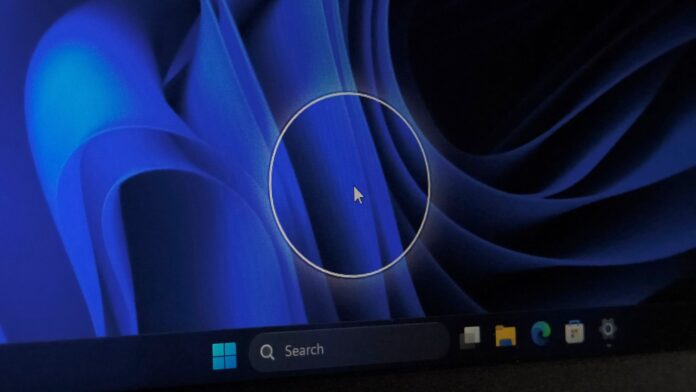
If, like me, you often lose your mouse pointer on a large monitor or in a multi-monitor setup, Windows can display an animated circle around the cursor when you double-press Ctrl. MS calls this feature Mouse Indicator. Longtime Windows users will know that it remained unchanged for three decades—until now.
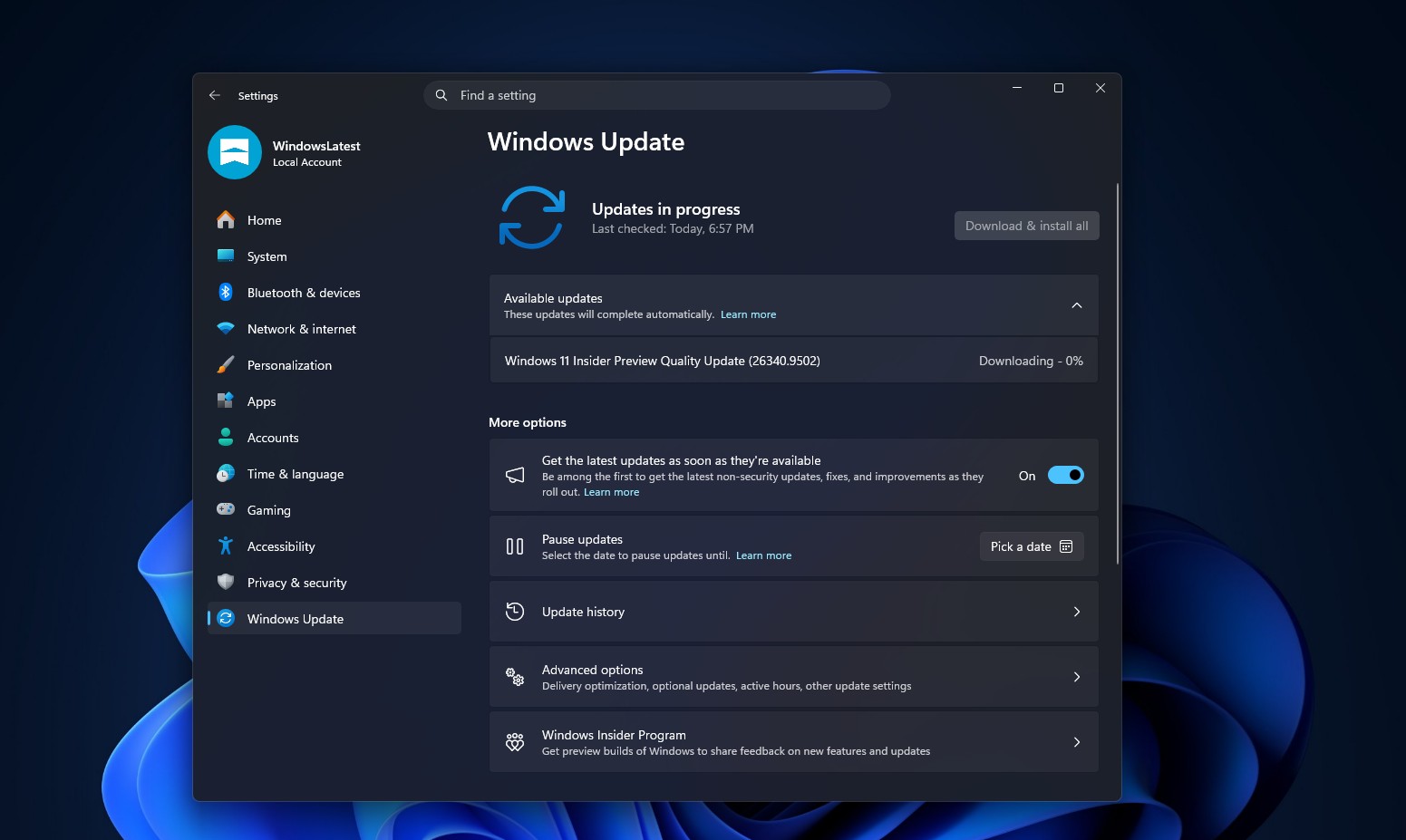
MS is giving the feature a proper visual update in Windows 11 Insider Preview Build 26340.9502, released on September 18, 2026, to the Experimental Channel. We spotted the modernized Mouse Indicator before MS announced it, while it was still a prototype.

Now that it has arrived in an official Insider build, I spent time using it and comparing it with PowerToys’ far more configurable Find My Mouse feature.
Windows 11’s Mouse Indicator Finally Gets the Animation It Deserved
MS’s release notes for Build 26340.9502 state: “We’re introducing a sleeker new animation for the Mouse indicator. You can enable this animation under Accessibility settings. We’ve also added the option to keep the indicator activated until you press the Esc key.”
You can find it under Settings > Accessibility > Mouse pointer and touch > Mouse indicator, using the same toggle that has been available for years.
Apart from that toggle, the old version offered no customization options.
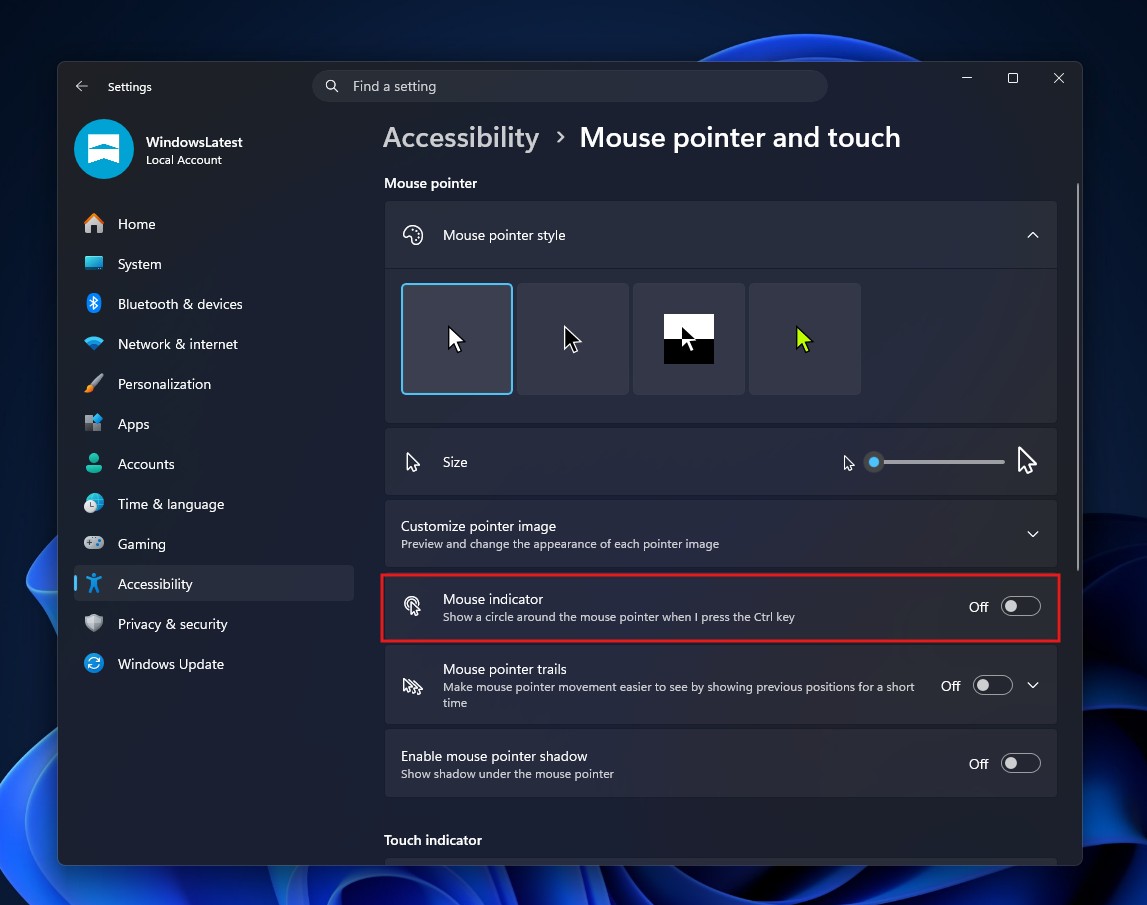
In the older version, enabling Mouse Indicator and double-pressing Ctrl displayed a circle around the pointer for one second, with an appearance reminiscent of an 8-bit game.
It is long overdue for MS to modernize every element of Windows 11, including this one. The new Experimental build adds two controls. The activation method now allows you to choose between a single Ctrl press, which is currently the default, and a double Ctrl press.
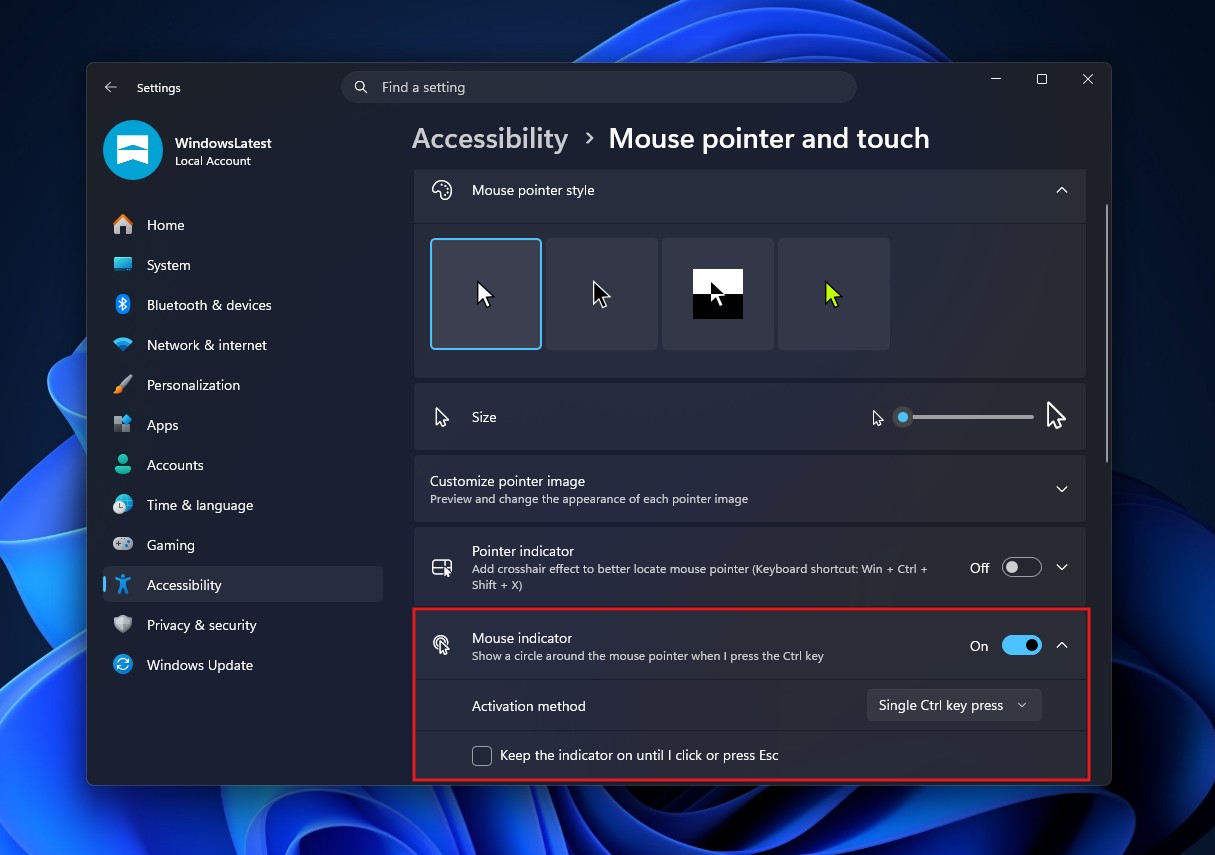
A new checkbox labeled “Keep the indicator on until I click or press Esc” makes the indicator persistent instead of displaying it as a brief flash. Because double-pressing Ctrl has become muscle memory for millions of Windows users, I hope MS makes it the default. Nevertheless, the added customization is welcome.
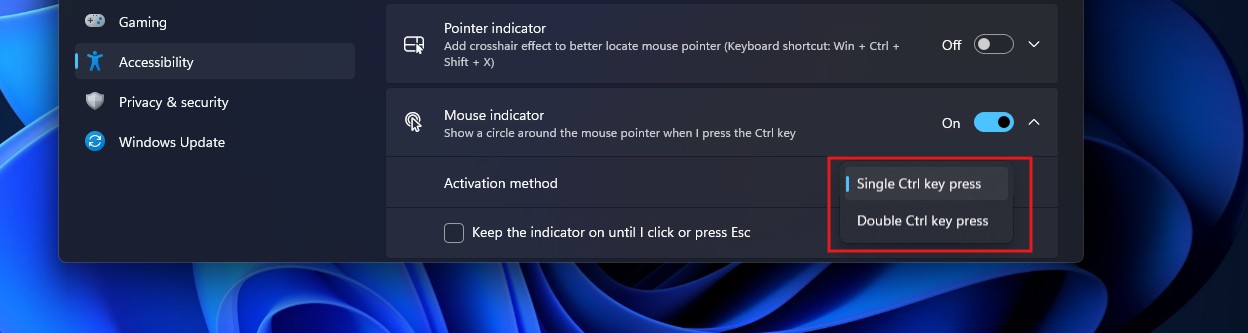
Our earlier test build required Win+Ctrl+Shift+M to trigger the persistent Mouse Indicator. That shortcut has been removed from this Insider build and replaced with a checkbox beside the standard Ctrl activation setting, which is a better implementation.
I Tested the New Animation, and It Is Noticeably Smoother
In my testing, the new animation looked considerably smoother than the old Mouse Indicator and appeared to run at a frame rate beyond what a standard 30 fps screen recording could capture.
Windows 11’s built-in screen recorder captures at 30 fps, so the smoother motion did not appear properly in my first recording. Intermediate frames may have been omitted, making the animation look choppier in the video than it did on screen. I switched to a third-party recorder, Recordly, which records at 60 fps.
Mouse Indicator still performs the same basic function: helping you find the cursor. That is its only job, but it is encouraging to see MS modernize another part of Windows 11.
PowerToys Find My Mouse Is Still Much More Powerful
It is good to see MS bringing PowerToys-style utilities into Windows. However, PowerToys’ Find My Mouse is in a completely different league when it comes to customization.

MS’s PowerToys documentation for mouse utilities shows the full range of available adjustments. The activation options alone include pressing Left Ctrl twice, pressing Right Ctrl twice, shaking the mouse, or using a custom shortcut. You can also require the Windows key to be held.
The customization goes much further. You can change the background color, spotlight color, spotlight radius—which defaults to 100 px—initial spotlight zoom, and animation duration—which defaults to 500 ms. You can also exclude specific apps by name and completely block activation while Game Mode is enabled. If you prefer shaking the mouse instead of pressing a key, the shake-detection feature has its own sensitivity and interval settings.
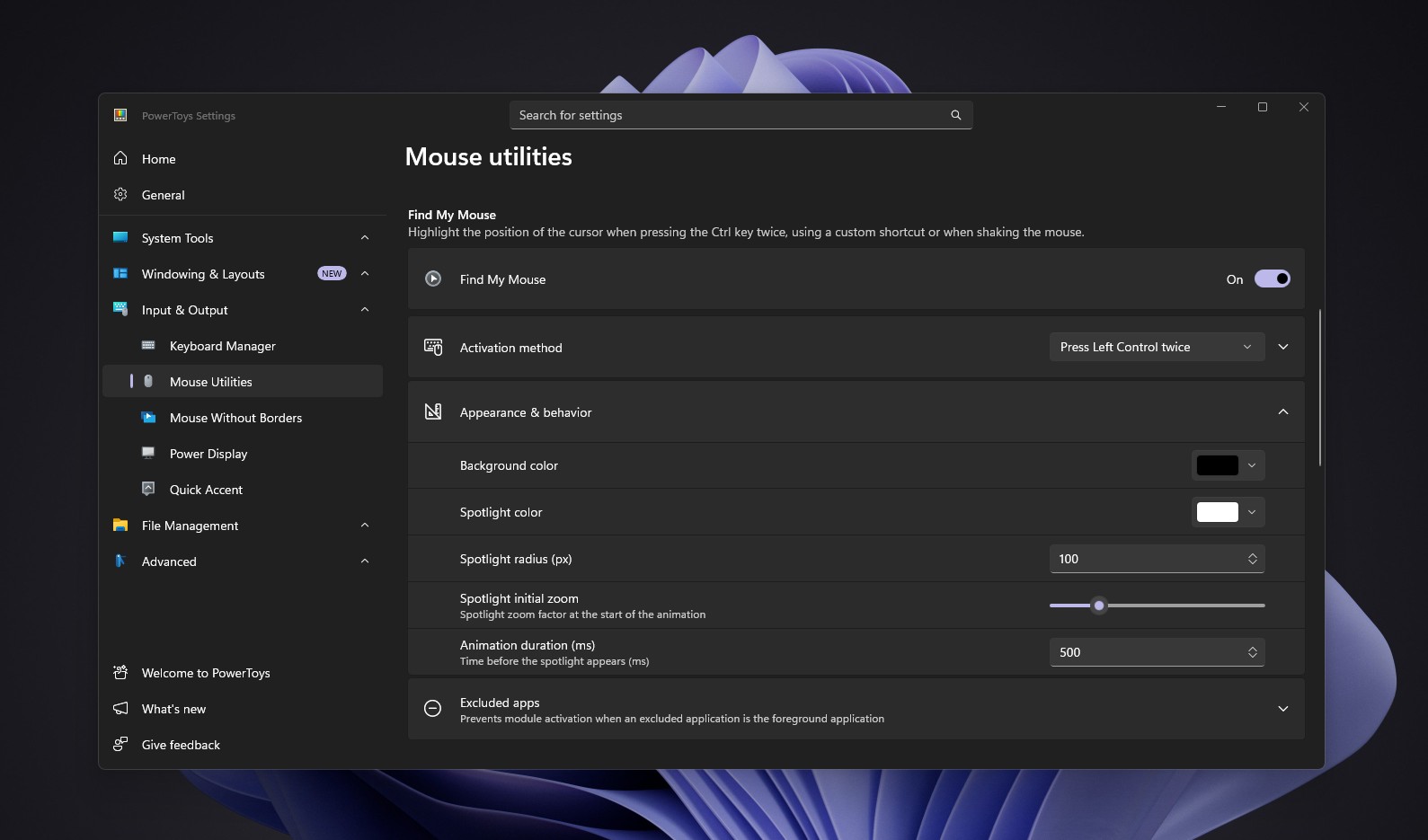
PowerToys clearly wins on customization. The native Windows version is intended for users who simply want to locate their cursor without installing another utility.
Personally, I prefer the animation style of the new Windows 11 Mouse Indicator.
For now, the new Mouse Indicator is available only in the Windows 11 Insider build for the Experimental Channel, specifically Build 26340.9502. It therefore will not be available on regular Windows 11 PCs for at least a few weeks.
When it becomes available—or if you are already an Insider running this build—go to Settings > Accessibility > Mouse pointer and touch > Mouse indicator and enable it. Open Activation method, then select either Single Ctrl key press or Double Ctrl key press. Enable “Keep the indicator on until I click or press Esc” if you want the persistent version.
If the setting still does not appear after you update to the latest Experimental Insider build, you may need to use ViVeTool to activate it.
MS Is Finally Modernizing Windows Features We Forgot Were Ancient
Mouse Indicator is a small example of a broader and much-welcome trend in Windows 11. Contrary to what social media may suggest, MS is not solely pursuing unwanted AI features. It is also updating older parts of Windows that did not receive the same visual treatment as the rest of the operating system.
- File Explorer’s Properties dialog is being rebuilt in WinUI 3.
- The Print Management app is being modernized.
- AutoPlay is receiving the same WinUI 3 redesign.
- A modern Run dialog has replaced its Windows 95-era predecessor.
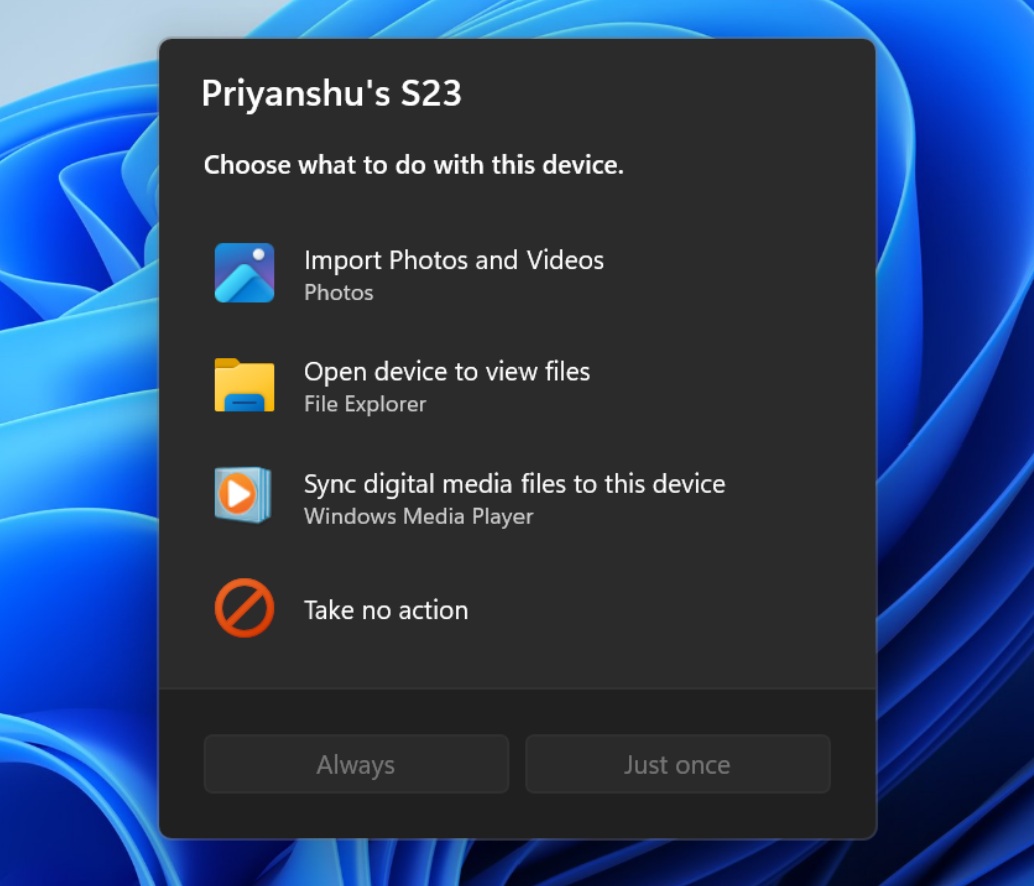
MS said in July that it had “strengthened the fundamentals of WinUI 3 and extended it into more of the Windows shell”, and we have been tracking the overhaul of legacy interfaces using WinUI 3.
We have criticized Windows 11 for looking like several operating systems stitched together. However, seeing a small tool such as Mouse Indicator receive a modern design gives me hope for the rest of the operating system.
Windows Latest depends on readers like you. Make us your Preferred Source on Google Discover and Google Search, and help our independent reporting reach more people.
If you're planning to upgrade your PC, Windows 11 OEM keys are the most cost-effective way to get a legitimate license. Whokeys.com offers Windows 11 OEM at competitive prices with instant delivery and activation guarantee. Check it out if you're in the market for a reliable, affordable option.