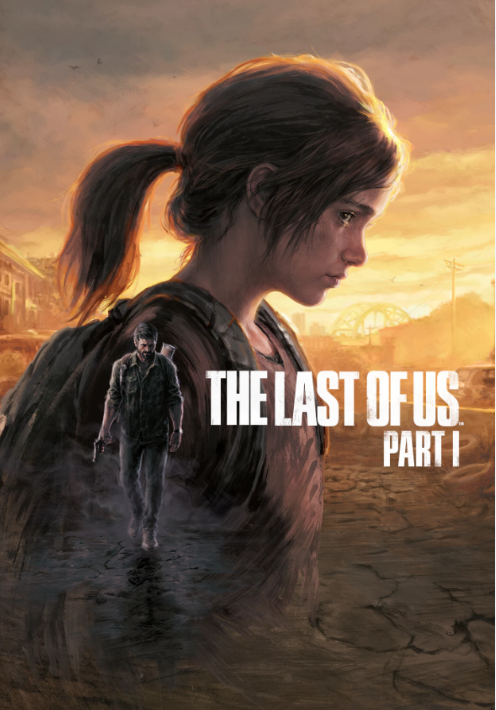
The Last of Us Online: A Canceled Vision Still Revered by Its Creators
A developer behind the canceled The Last of Us Online described it as“the best multiplayer game he had ever played” and vowednever to let a project die before release again.
Director’s Reflection on a Lost Project
Vinit Agarwal—the director of The Last of Us Online, originally conceived as the Factions mode for The Last of Us Part II—recently shared on Twitter (spotted by PC Gamer):
“It’s wild how many of my ex-colleagues still message me today saying how amazing TLOU Online was going to be — still the best multiplayer game they’ve ever played. Never going to let what I work on not see the light of day again. Thank you all for your support and confidence! ❤️”
The tweet, dated April 25, 2026, underscores both deep personal investment and collective regret over the cancellation.
Cancellation Context and Completion Status
Like several Sony-backed live-service titles in recent years, The Last of Us Online was ultimately canceled. In a recent interview, Agarwal revealed the project wasapproximately 80% complete at the time of its termination. Despite that progress, the studio chose not to ship it—a decision that left a lasting impression on its team.
Credibility of the Praise
While calling it the“best multiplayer game ever” may sound hyperbolic, the claim carries weight given Naughty Dog’s track record:
- The multiplayer component of Uncharted 2 stood out asa standout experience in an era when multiplayer modes were often tacked-on afterthoughts.
- The Last of Us (2013) featured atense, atmospheric, and critically acclaimed multiplayer mode—a rare achievement for a narrative-driven studio.
- Even Crash Team Racing, developed under Naughty Dog’s stewardship, is widely regarded asone of the studio’s finest overall achievements.
Internal Division Over The Last of Us Part II
A former Naughty Dog developer added further context, noting that The Last of Us Part II’s pivotal narrative moment—its major character death—was“controversial internally too,” with the studio“pretty split” on the decision. This internal tension reflects broader creative challenges during the title’s development—and perhaps foreshadows the complexities that contributed to Online’s eventual cancellation.